Safety remains the foremost concern for travellers, regardless of airline size, region, or business model. In 2026, the low-cost airlines segment continues to mature, combining cost-efficient operations with stringent safety systems, crew training standards, and comprehensive maintenance regimes.
The world’s safest low-cost airlines are distinguished not by fare alone, but by their commitment to internationally recognised safety certifications, accident history, operational excellence, and adherence to global best practices in quality and compliance.
Compiled from industry assessments and regulatory benchmarks, AirlineRatings’ list emphasises carriers that have demonstrated consistently strong safety performance without compromising affordability.
World’s Safest Low-Cost Airlines in 2026
These ten airlines are recognised not only for their low incident records but also for their proactive safety cultures, robust training programs, and forward-thinking approaches to risk management.
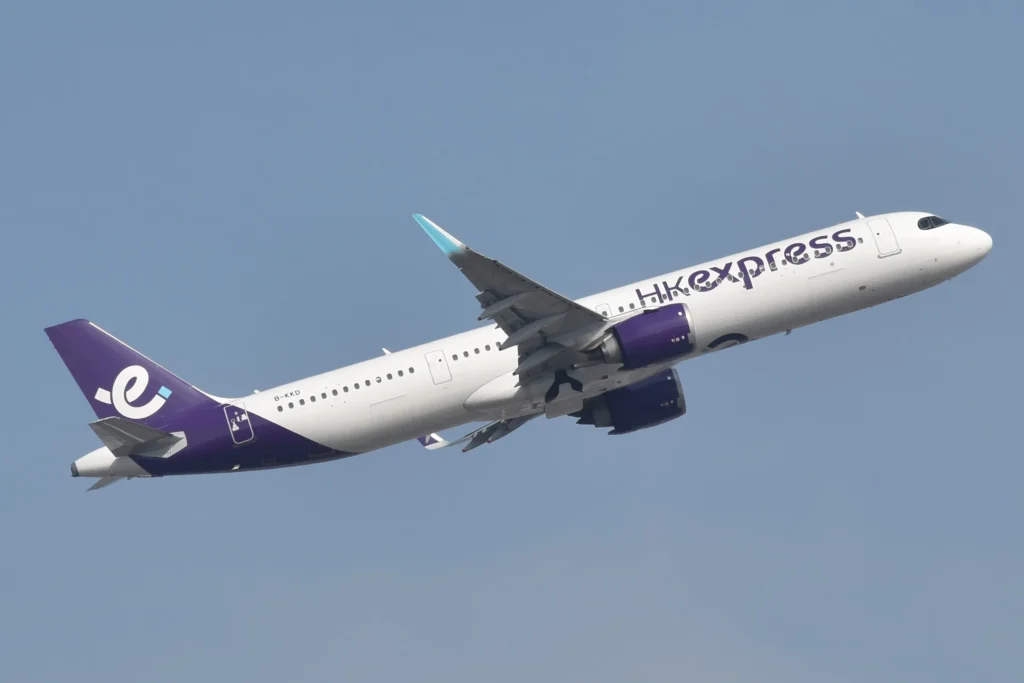
1. HK Express (Hong Kong)
HK Express leads the 2026 ranking of safest low-cost airlines thanks to its disciplined operational approach and strong regulatory oversight. Based in Hong Kong, a region with some of the strictest aviation safety standards in the world, HK Express benefits from rigorous training protocols, meticulous aircraft maintenance, and a risk-averse operational philosophy.
The airline operates a modern fleet, comprised mainly of Airbus narrow-body aircraft, which consistently rank high in reliability and safety performance. Crew training emphasises both procedural excellence and real-time decision-making, while maintenance programs are continuously audited against international benchmarks. Passenger feedback often highlights the airline’s professionalism and calm, efficient handling of operational disruptions.
While HK Express is not the largest low-cost player globally, its safety focus and robust compliance culture have earned it the top spot on this year’s list.
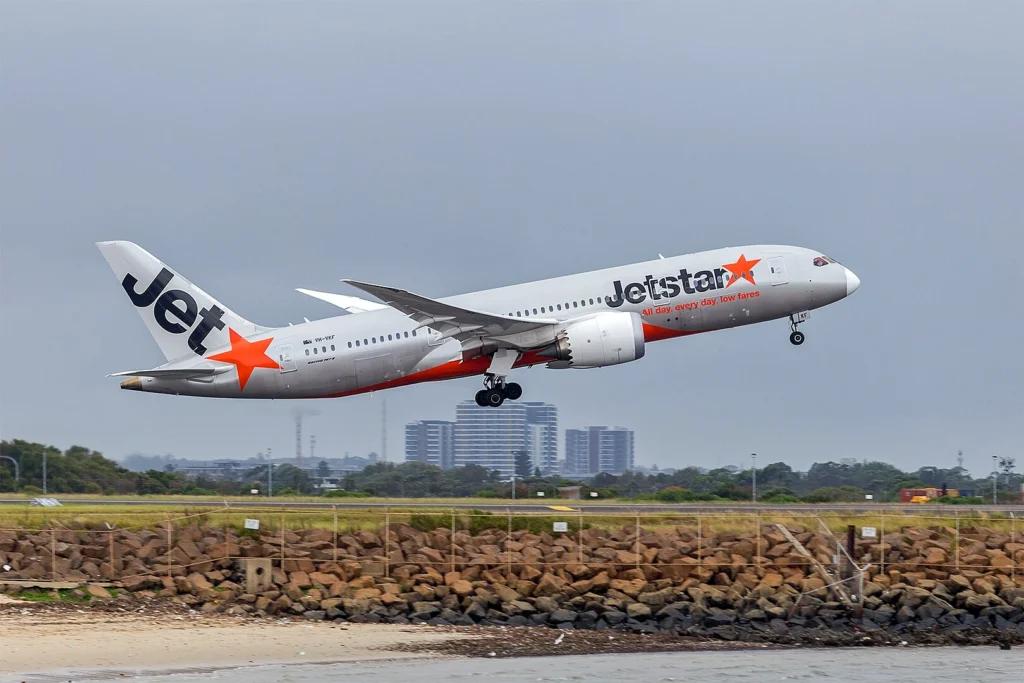
2. Jetstar Airways (Australia)
Jetstar Airways is one of the most recognised low-cost names in the Asia-Pacific region, and its safety record reflects decades of disciplined operations under Australia’s rigorous regulatory framework. A subsidiary of Qantas, Jetstar benefits from shared safety systems, training philosophies, and oversight practices that elevate its standards above many peers.
The airline’s fleet is modern and well-maintained, with comprehensive maintenance and quality assurance programs in place. Crew training emphasises scenario response, human factors and regulatory compliance, helping ensure consistency across its expanding network. Jetstar’s transparent safety culture is backed by external audits and strong internal reporting mechanisms.
For 2026, the airline’s balance of operational scale, modern fleet and robust safety governance earns it a well-deserved place near the top of the safest low-cost carriers.

3. Scoot (Singapore)
Scoot has built a reputation as one of Asia’s most progressive low-cost airlines, and safety is central to that identity. Operating under the umbrella of Singapore Airlines’ regulatory oversight, Scoot adheres to some of the highest operational and maintenance standards in the industry.
Its fleet, composed mainly of newer Boeing and Airbus aircraft, benefits from Singapore’s strong institutional focus on safety, quality control and procedural discipline. Ground operations, crew training and risk management protocols are synchronised with global best practices, and the carrier routinely performs internal and external audits to validate compliance.
Scoot’s safety record is complemented by its transparent communication and passenger education initiatives, helping reinforce confidence among travellers and industry peers alike.
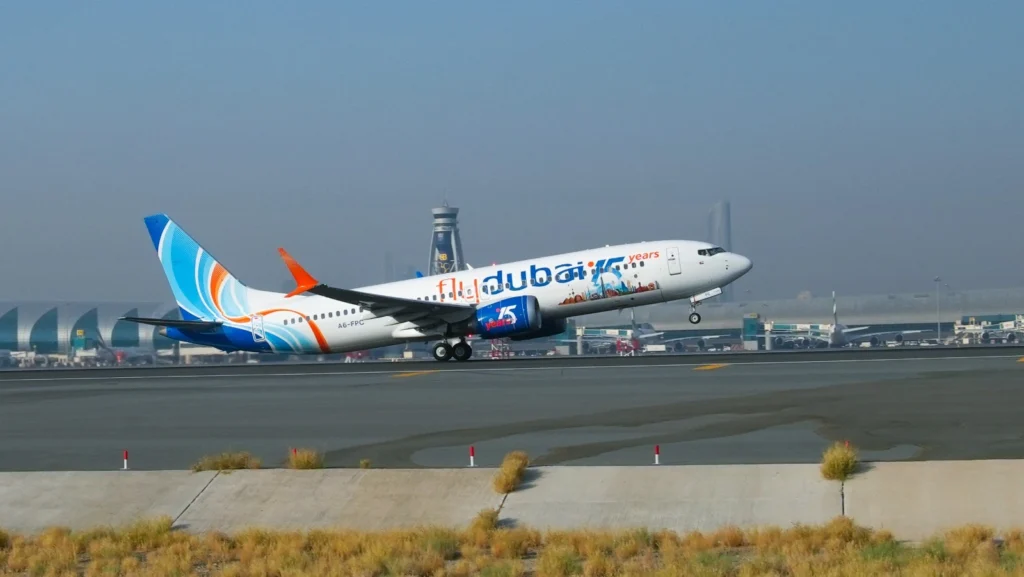
4. flydubai (UAE)
flydubai’s placement among the safest low-cost airlines in 2026 reflects the UAE’s systematic approach to aviation oversight and its investment in digital safety systems. As Dubai’s low-cost carrier, flydubai manages a modern fleet with strong reliability metrics and a strong focus on preventative maintenance.
Crew training is both rigorous and recurring, emphasising regulatory compliance, emergency response and cross-crew standardisation. The airline also makes use of advanced data analytics to monitor performance trends and pre-emptively identify potential issues. Passenger feedback often remarks on the professionalism of flight and ground crews, even during busy travel periods.
flydubai’s safety culture is both proactive and collaborative, contributing to its consistent performance in independent evaluations.
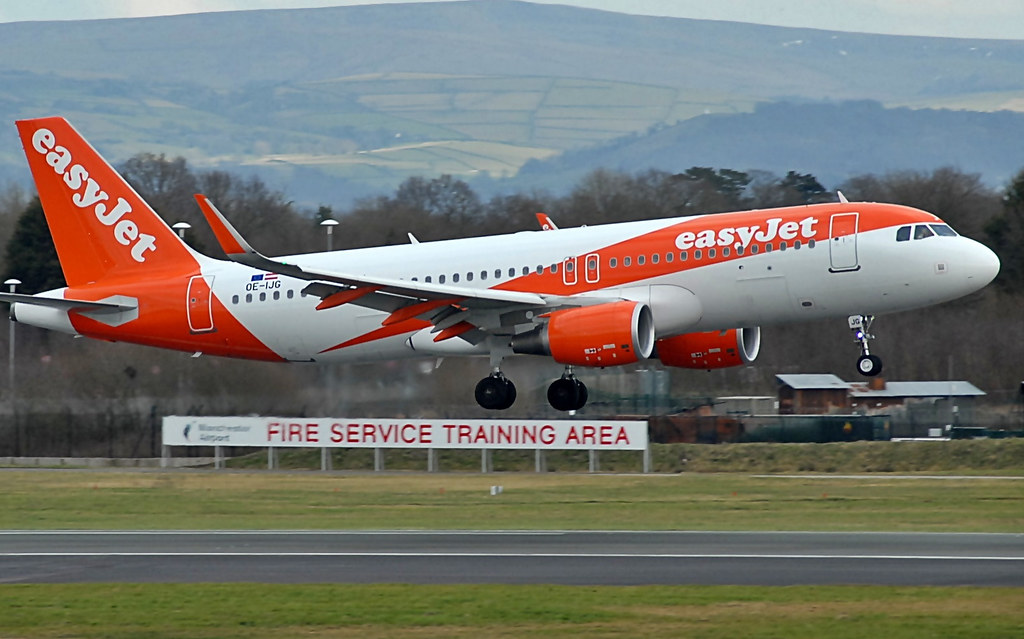
5. easyJet Group (UK)
easyJet Group remains one of Europe’s leading low-cost carriers, and its safety credentials reflect decades of disciplined growth and operational stability. The group’s safety programmes are comprehensive and well integrated, with strong internal reporting systems and regular audits.
easyJet’s fleet is largely composed of the latest-generation Airbus aircraft, which are recognised for high operational reliability. Maintenance operations are centrally coordinated, with robust oversight on tooling, parts, and quality control. Pilots and cabin crew undergo frequent refresher training, ensuring procedural familiarity and situational readiness.
The group’s safety performance is matched by consistency in customer service and operational execution, making it a benchmark carrier in the European low-cost segment.

6. Southwest Airlines (USA)
Southwest Airlines continues to be one of the most admired low-cost carriers in the world, and its safety record remains among the strongest in the industry. Operating one of the largest narrowbody fleets globally, Southwest’s safety systems emphasise rigorous maintenance, structured crew training, and clear operational protocols.
In 2026, the airline retains strong compliance with Federal Aviation Administration (FAA) regulations and global best practices. Safety management systems are deeply embedded in operational culture, and recurring crew training keeps performance sharp across thousands of daily departures. Southwest’s scale and consistency set it apart, proving that large operations can maintain exceptional safety performance without compromise.
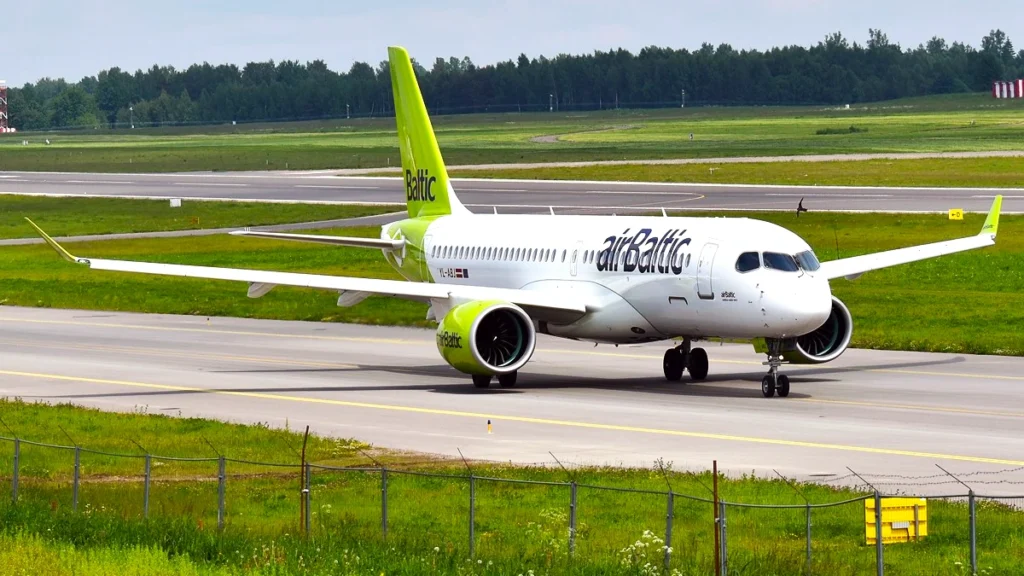
7. airBaltic (Latvia)
airBaltic is an excellent example of a smaller low-cost operator punching above its weight in safety performance. Operating from its hub in Riga, the airline maintains a modern fleet of Airbus A220 aircraft with strong reliability and performance metrics.
The airline’s safety culture emphasises transparency, continuous training, and proactive maintenance planning. Its regional network and disciplined operational philosophy mean the crew are well accustomed to defined procedures and regular performance evaluation. Despite a smaller scale than some peers, airBaltic’s safety systems are rigorous and well aligned with international standards, earning it a strong position on this year’s list.
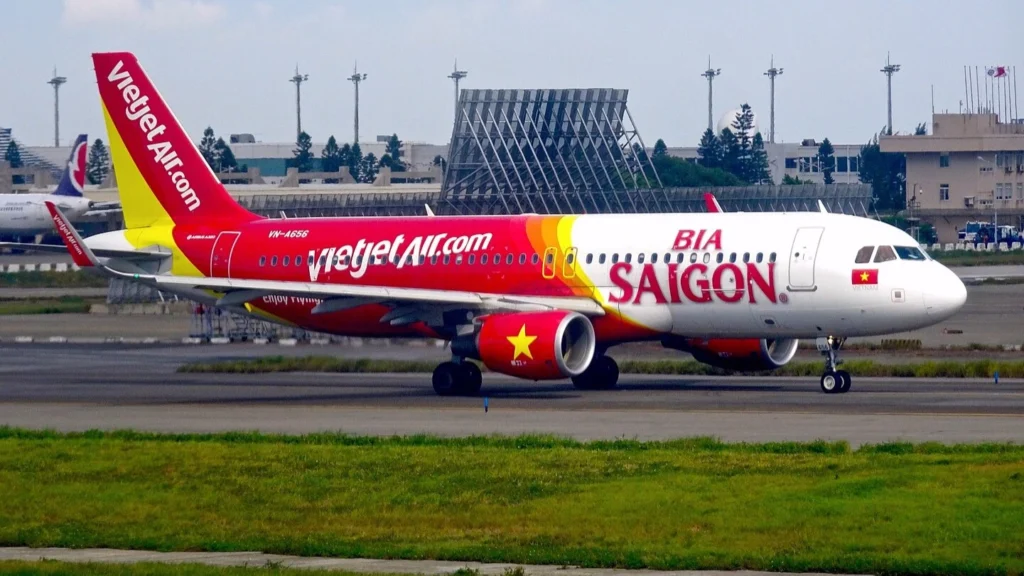
8. VietJet Air (Vietnam)
VietJet Air has grown rapidly over the past decade, and its inclusion among the safest low-cost carriers in 2026 highlights how disciplined growth and modern fleet strategy can coexist. The airline operates a young fleet of Airbus narrowbodies, which are supported by strong maintenance programmes anchored in international quality standards.
Crew training focuses on procedural compliance, cross-cultural communication and safety awareness. VietJet continues to engage with external auditors to validate procedures and ensure adherence to evolving regulatory expectations. While still growing its global footprint, the airline’s consistent safety performance reflects its commitment to quality even amidst rapid expansion.
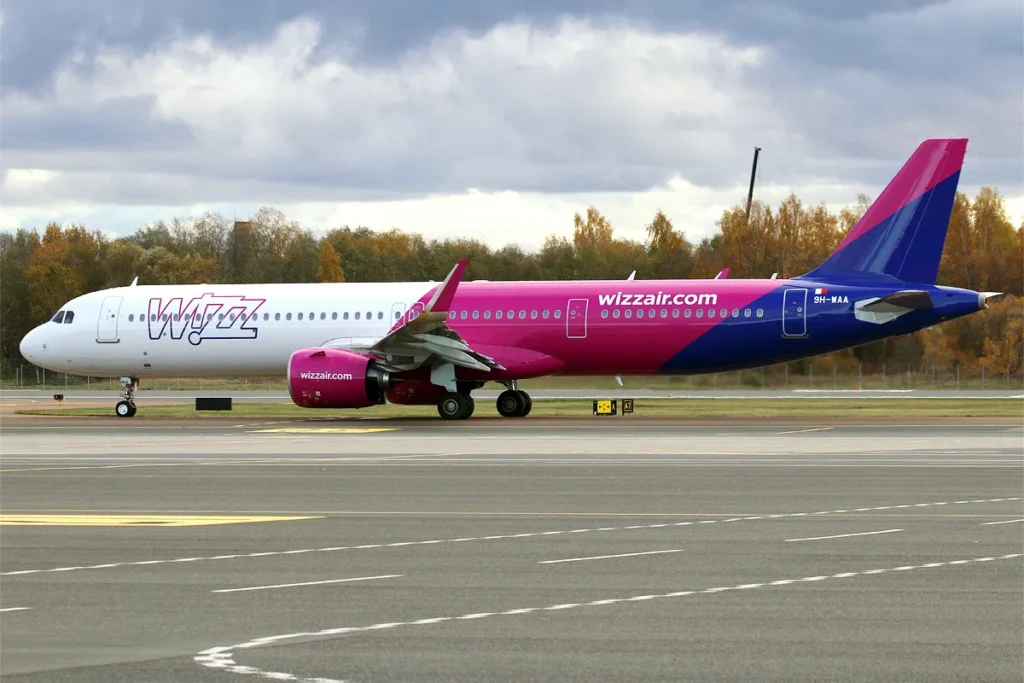
9. Wizz Air Group (Hungary / Europe)
Wizz Air Group has become one of Europe’s most prominent low-cost carriers, and its safety record reflects a disciplined approach to operations. With a large fleet of modern Airbus aircraft, the group benefits from high reliability and standardised maintenance programmes.
Training and compliance systems emphasise procedural consistency across markets, while risk management frameworks help identify and mitigate potential issues before they escalate. Wizz Air’s safety culture prioritises accountability and structured performance evaluation, helping bolster confidence among both regulators and passengers.
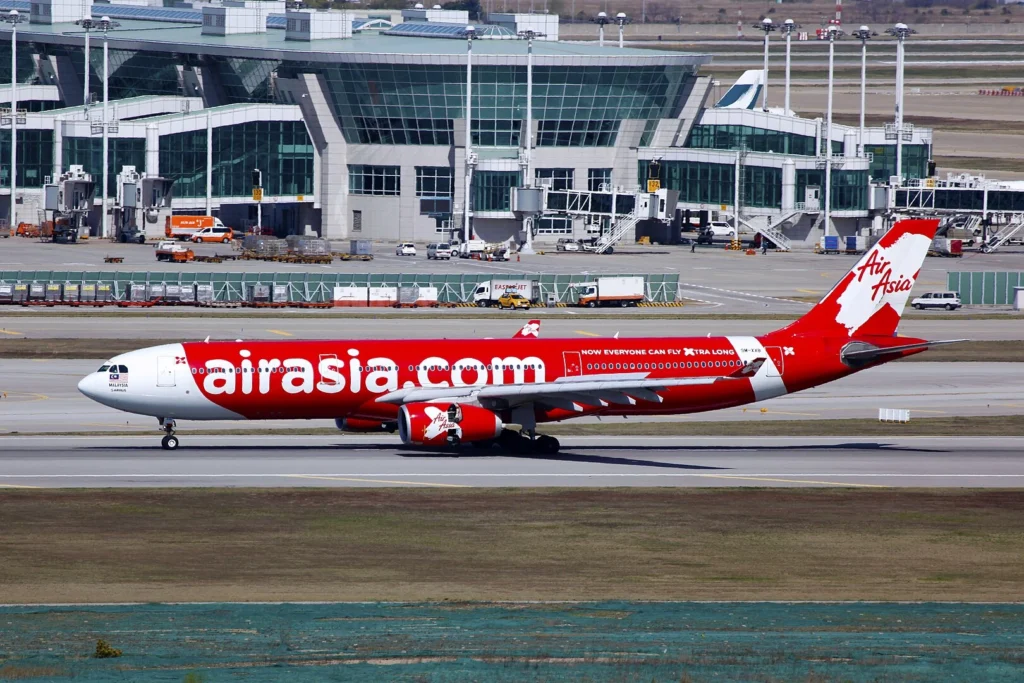
10. AirAsia Group (Malaysia)
AirAsia Group rounds out the top ten with a safety performance that has matured alongside its growth into one of Asia’s most well-known low-cost brands. The airline operates a modern mixed fleet, including Airbus and other narrowbody aircraft, and its maintenance programmes adhere to strong regional standards.
Crew training is continuous and comprehensive, incorporating human factors and compliance refreshers. The group’s layered approach to safety management, combining robust procedures with ongoing performance tracking, ensures that rapid network growth is matched by operational discipline. AirAsia’s place on this list reflects an established commitment to safety culture and continuous improvement.
Bottom Line
The 2026 ranking of the world’s safest low-cost airlines demonstrates that affordable travel and exceptional safety are not mutually exclusive.
Across different regions and operating models, these airlines share a commitment to rigorous maintenance, disciplined training, and proactive risk management. Whether operating at a massive scale or in growing markets, their safety cultures ensure that millions of passengers can travel with confidence.
Safest Low-Cost Airlines FAQs
Safety evaluations consider audit results, regulatory compliance, incident history, fleet age, training regimes and safety management systems.
Newer aircraft often have advanced systems, but safety ultimately depends on maintenance, training, and operational discipline.
Passengers contribute indirectly by choosing carriers with strong safety records and by following crew instructions during boarding and in flight.
Stay tuned with us. Further, follow us on social media for the latest updates.
Join us on Telegram Group for the Latest Aviation Updates. Subsequently, follow us on Google News