WASHINGTON– The Biden administration’s plan to provide cash compensation for delayed flights has been formally canceled by the Trump administration. The canceled plan included tiered cash payments ranging from $200 to $775, depending on the length of the delay, alongside mandatory rebooking and other support services for passengers.
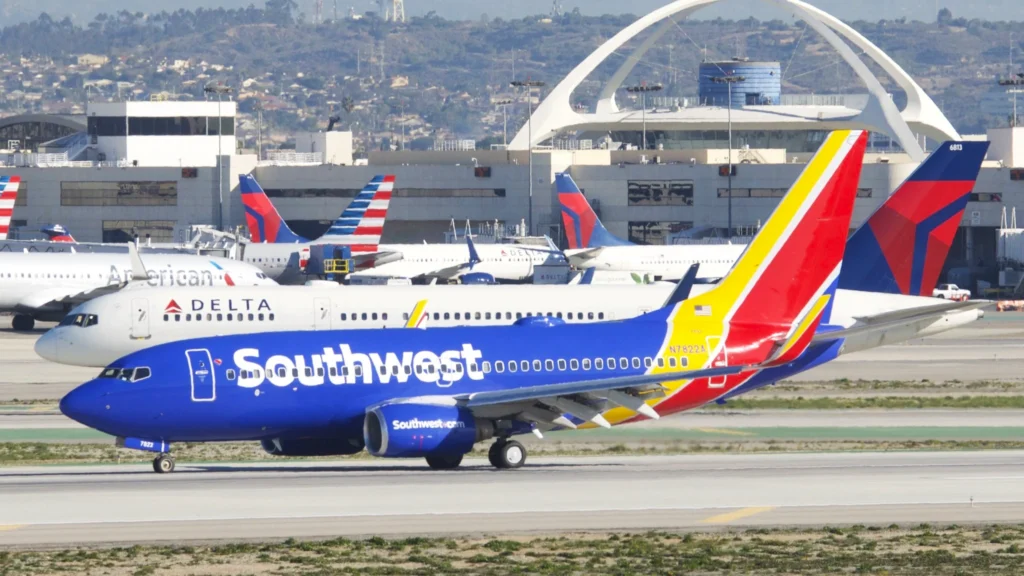
The proposal would have required airlines such as American Airlines (AA) and Delta Air Lines (DL) to pay passengers for delays, with airports like Hartsfield-Jackson Atlanta International (ATL) and Los Angeles International (LAX) identified as key hubs where disruptions frequently occur.
Biden Compensation Proposal Canceled
The DOT’s plan sought to establish mandatory compensation for delays caused by airline-controlled circumstances, including mechanical failures or IT system breakdowns.
Passengers would have been entitled to tiered payments based on delay length: $200–$300 for three to six hours, $375–$525 for six to nine hours, and $750–$775 for nine hours or more.
Smaller carriers might have faced reduced obligations, and airlines would have been required to provide automatic reimbursements for services not offered upfront.
The proposal also emphasized rebooking on alternate flights, even across different airlines with commercial agreements, ensuring passengers reached their destinations promptly.
Trump Administration Response
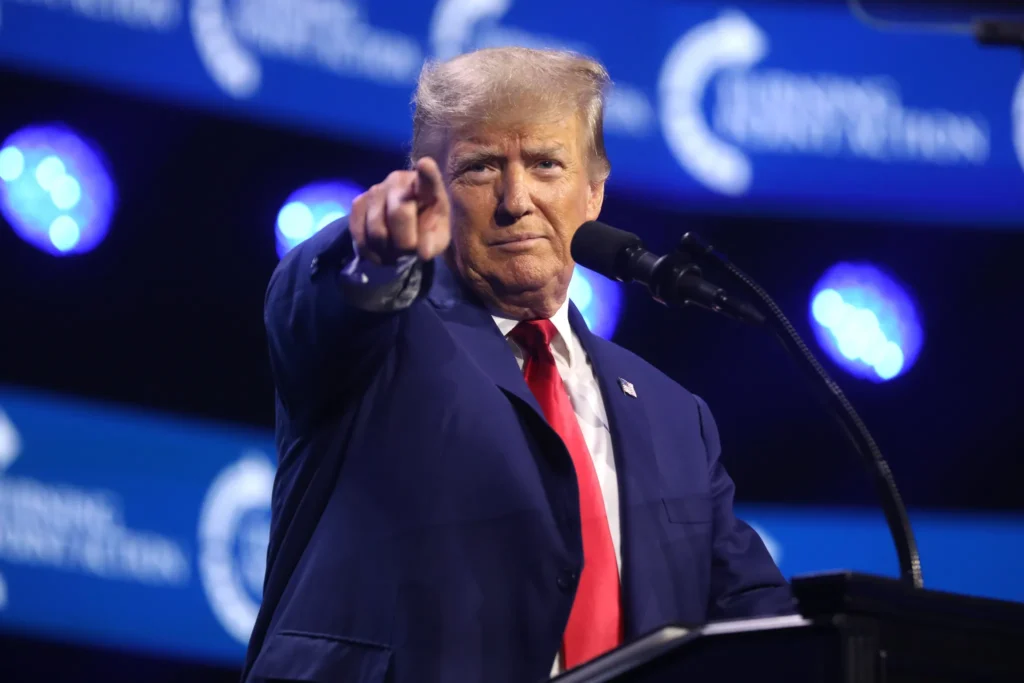
In January 2025, following the presidential transition, the DOT under Transportation Secretary Sean Duffy formally canceled the compensation plan.
The agency cited concerns over “unnecessary regulatory burdens,” aligning with airline industry objections that the proposal would increase operational costs. Consequently, cash compensation for delayed flights in the United States is no longer under consideration.
The move reflects a broader policy shift favoring deregulation, with airlines retaining flexibility in managing disruptions. While some consumer advocates express disappointment, the decision confirms that current U.S. airline passenger protections will remain minimal compared to European standards.
Consumer Protection Debate
Proponents of the initial plan argued that compensation requirements could incentivize airlines to reduce delays and improve operational planning.
Studies in Europe indicate that similar regulations decreased both the frequency and duration of delays, while maintaining competitive ticket pricing. Critics, however, warned of higher airfare costs, though evidence from international markets suggests this outcome is unlikely.
The discussion also highlights broader issues in airline accountability. Passengers often face opaque policies, limited upfront information, and difficulties claiming compensation even when entitled. Without regulatory mandates, airlines can continue prioritizing efficiency over customer service in scenarios of operational failure.
International Comparison
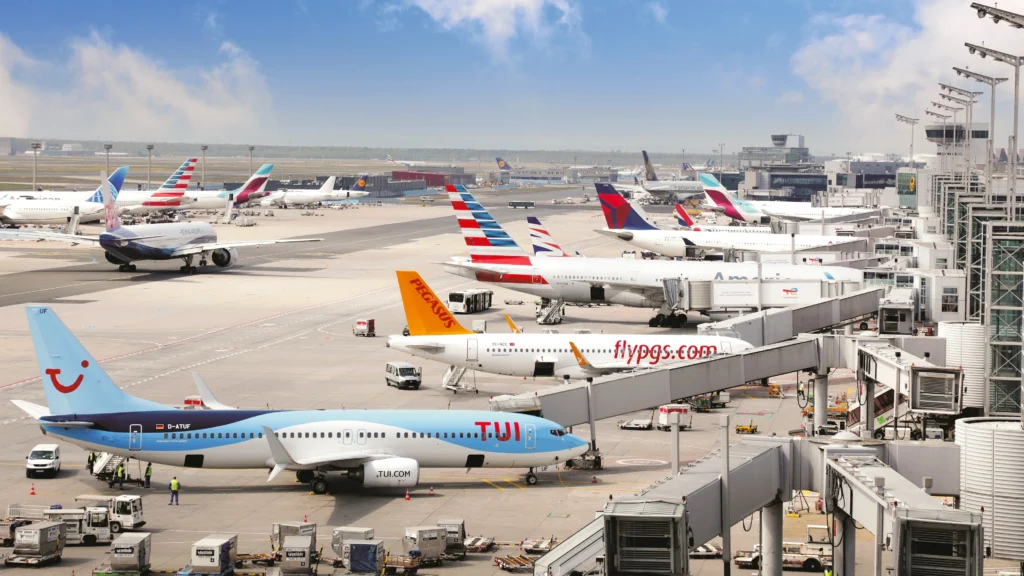
Under this heading, you can provide value by comparing U.S. passenger rights with international standards, like the EU’s EC 261/2004 regulation or the UK’s delayed flight compensation policies. This gives context for why the Biden plan mattered and highlights the gap between U.S. and global passenger protections.
Example content under this H2:
- In the European Union, passengers on delayed flights are entitled to cash compensation ranging from €250 to €600, depending on flight distance and delay duration.
- Airlines must also provide meals, hotel accommodation, and alternative flights, ensuring a standardized protection framework.
- U.S. passengers, by contrast, currently have no guaranteed cash compensation, relying on voluntary airline policies, making the canceled Biden plan a major potential shift toward international parity.
Bottom Line
The cancellation of the Biden-era compensation plan marks a significant regulatory rollback for U.S. aviation.
Airlines will not be obligated to provide cash payments for flight disruptions, leaving passengers to rely on existing, often inconsistent, compensation schemes.
Observers note that while this aligns with current industry preferences, it underscores the persistent gap between U.S. passenger rights and international standards.
Stay tuned with us. Further, follow us on social media for the latest updates.
Join us on Telegram Group for the Latest Aviation Updates. Subsequently, follow us on Google News


