LOS ANGELES- A runway incursion involving two United Airlines (UA) aircraft at Los Angeles International Airport (LAX) forced a high-speed takeoff abort and caused major delays on March 2, 2026.
United Airlines (UA) Flight UA530, an Airbus A321neo arriving from Chicago O’Hare International Airport (ORD), entered Runway 24L at Los Angeles International Airport (LAX) while United Airlines (UA) Flight UA152, a Boeing 787-9 departing for Hong Kong International Airport (HKG), had already begun its takeoff roll.
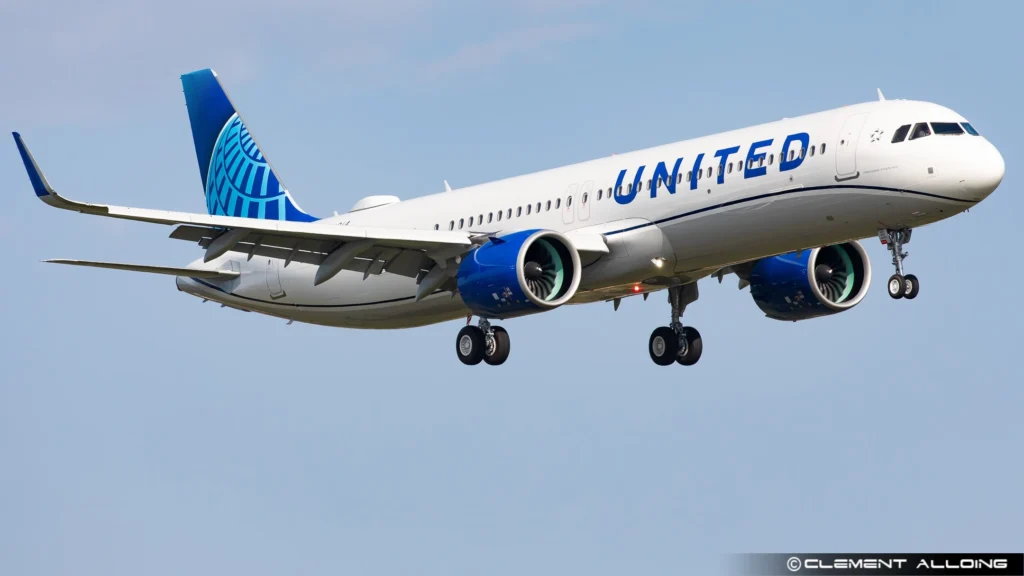
United Airlines A321neo and 787 Close Call at LAX
The incident occurred at approximately 11:50 AM local time on March 2, 2026, at Los Angeles International Airport (LAX). The sequence involved two United Airlines aircraft operating on parallel northern runways.
United Airlines (UA) Flight UA530, an Airbus A321neo arriving from Chicago O’Hare International Airport (ORD), received clearance to land on Runway 24R. After landing, the flight crew was instructed by air traffic control to hold short of Runway 24L before taxiing to the gate.
The pilots acknowledged the instruction and confirmed they would hold short of the runway.
At the same time, United Airlines (UA) Flight UA152, a Boeing 787-9 bound for Hong Kong International Airport (HKG), received clearance for takeoff from Runway 24L. The expectation was that the arriving A321neo would remain clear until the departing aircraft became airborne.
However, the Airbus A321neo did not stop at the hold short line and instead entered Runway 24L while the Boeing 787-9 was accelerating for departure, OMAAT flagged.
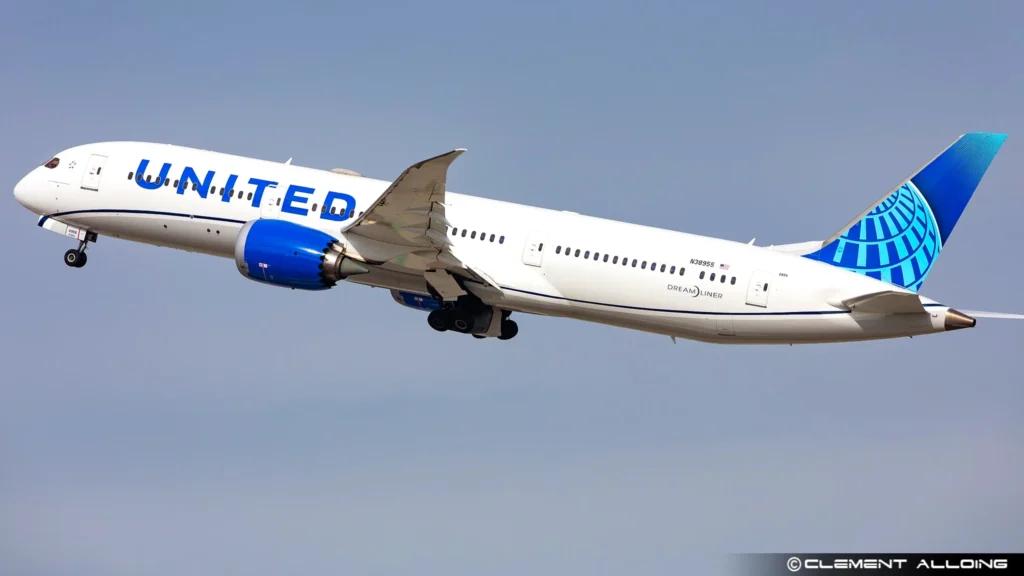
Takeoff Abort Prevents Potential Collision
Air traffic controllers quickly detected the conflict and immediately intervened.
The controller instructed the A321neo to cross the runway without delay and directed the Boeing 787-9 crew to abort the takeoff. According to flight tracking data from Flightradar24, the aircraft had already reached a speed of approximately 106 knots before the crew rejected the takeoff.
High-speed rejected takeoffs often generate intense braking loads. In this case, the Boeing 787-9 experienced overheated brakes and was forced to return to the gate for inspection.
The aircraft had been preparing for a long-haul flight of nearly 15 hours to Hong Kong, which meant it was operating at a high takeoff weight.
As a result of the aborted takeoff and subsequent maintenance checks, Flight UA152 departed roughly eight hours later than scheduled. The aircraft was originally scheduled to leave Los Angeles at 11:10 AM, but eventually departed at 7:13 PM.
Possible Factors Behind the Runway Incursion
The circumstances surrounding the incursion remain unusual. The pilots of Flight UA530 confirmed the hold short instruction less than 20 seconds before crossing the runway. Such a short time gap makes a simple lapse in memory unlikely.
Another puzzling factor is situational awareness. Both aircraft were operating on the same radio frequency, meaning the arriving crew should have heard the takeoff clearance issued to the Boeing 787-9.
Operational conditions at Los Angeles International Airport may have added complexity to the situation. At the time of the incident, another United Airlines Boeing 787 was being evacuated on the south side of the airport. This event shifted a larger share of traffic operations to the northern runway complex.
The change in runway assignments may have disrupted the landing briefing for the arriving crew.
Airport layout differences may also have contributed to confusion. On the south side of LAX, a taxiway separates the parallel runways. On the north side, the runways sit directly next to each other without a taxiway in between.
If the crew had initially expected to land on the southern runways, the visual layout could have appeared unfamiliar. However, runway markings, lighting systems, and hold short lines are designed to clearly distinguish runways from taxiways.
Because of these visual cues and the presence of two pilots in the cockpit, investigators will likely examine why the aircraft proceeded past the hold short marking.
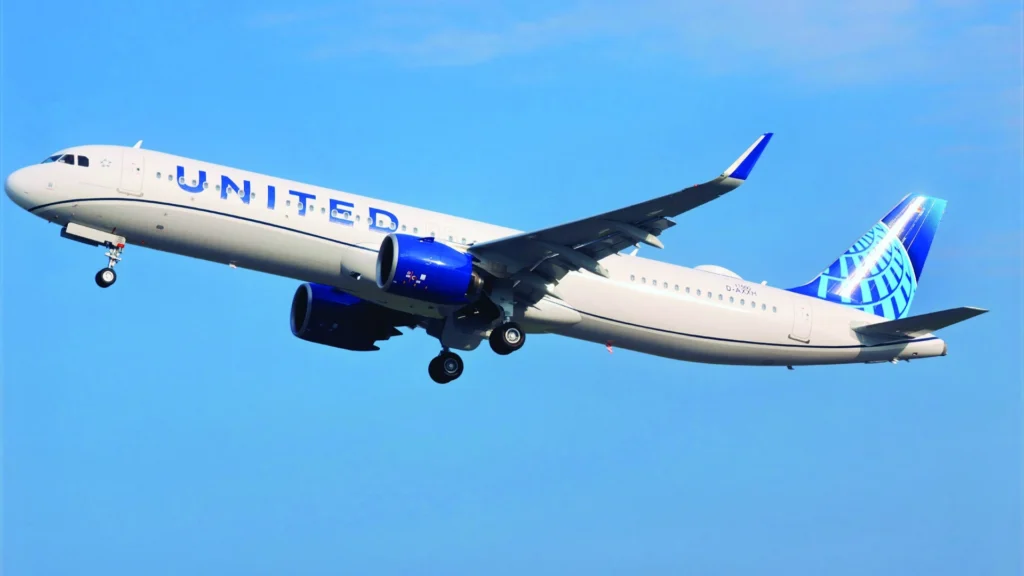
Controller Response Prevented a Serious Incident
Air traffic controllers played a critical role in preventing a more serious outcome.
The controller identified the developing conflict quickly and issued decisive instructions to both aircraft. The rapid response allowed the A321neo to clear the runway while the Boeing 787-9 safely rejected its takeoff.
Such runway incursions are taken seriously in aviation because they can lead to catastrophic consequences if not resolved quickly.
The prompt coordination between pilots and controllers ensured that both aircraft remained safe.


