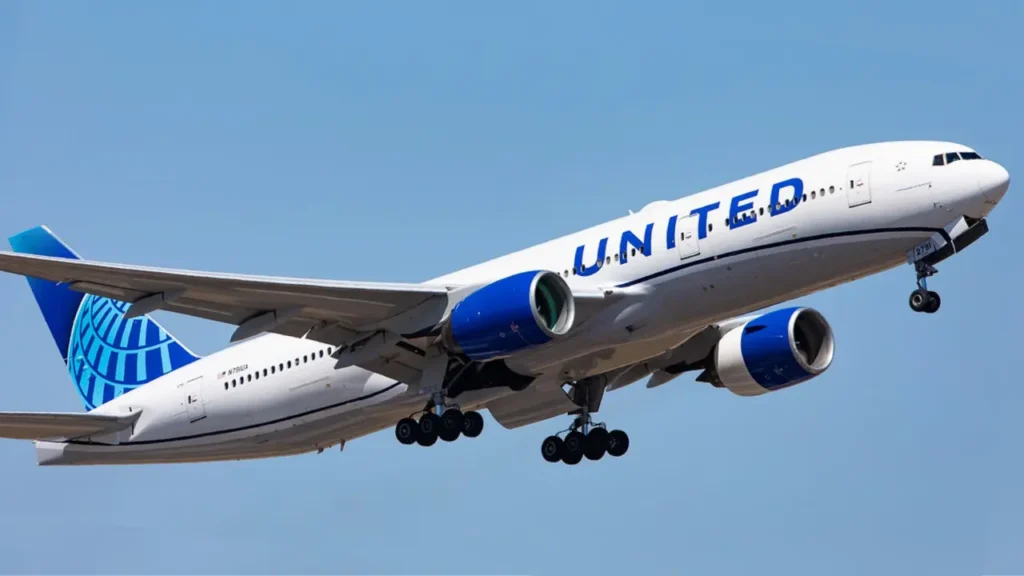
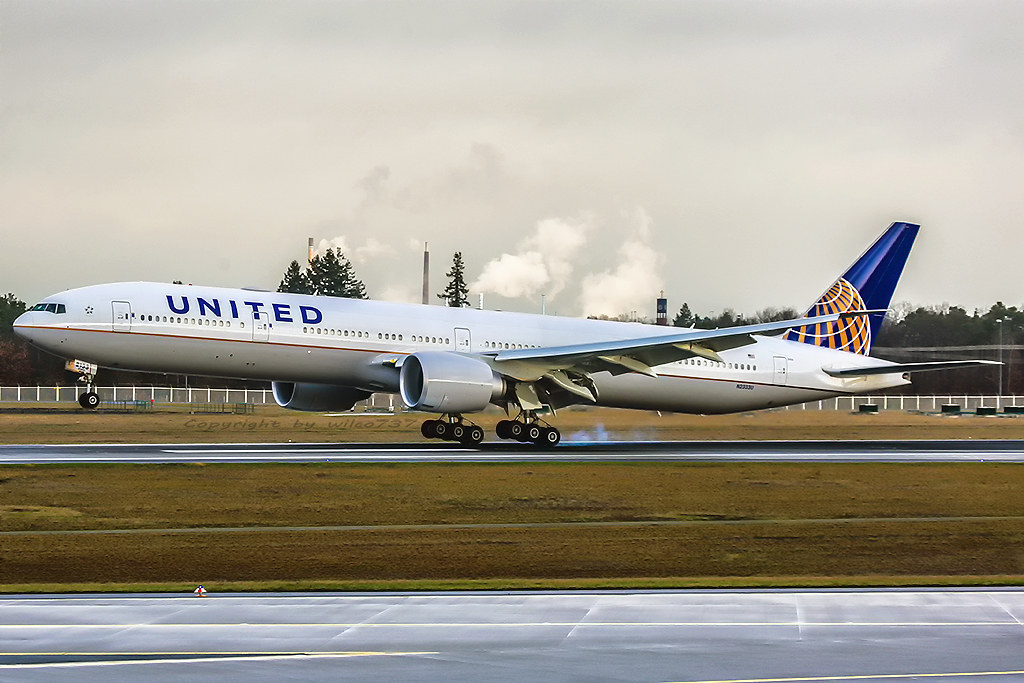
CHICAGO— United Airlines (UA) operated a 13-hour transpacific flight from Tokyo Haneda Airport (HND) to Washington Dulles International Airport (IAD) without any in-flight entertainment, Wi-Fi, or in-seat power. The disruption affected passengers on flight UA-804, which departed Haneda at 10:14 am on May 18, 2026.
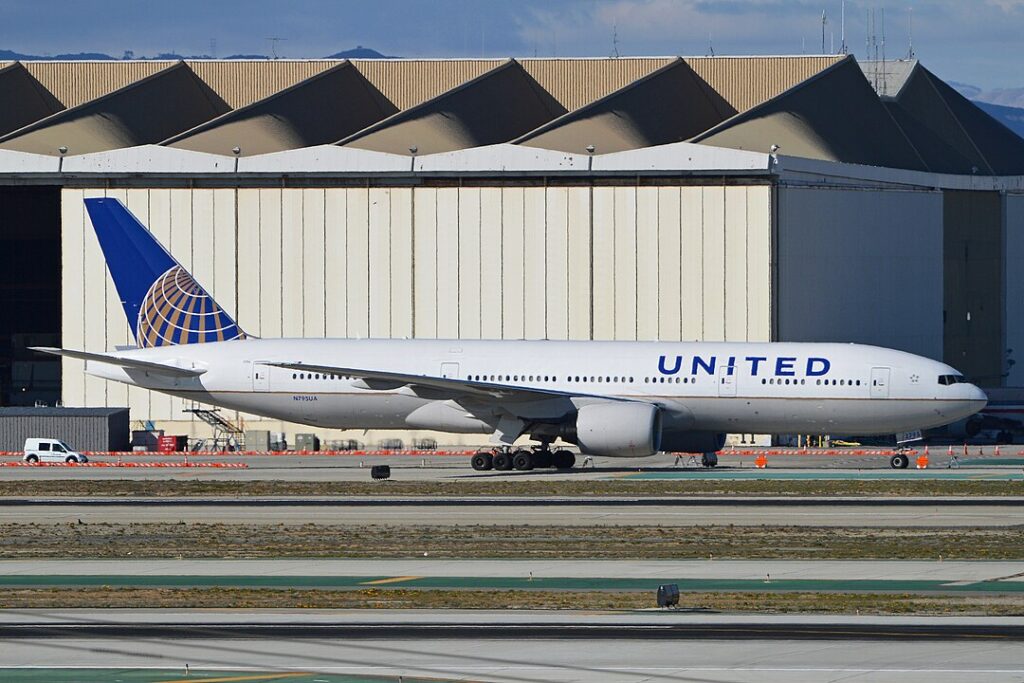
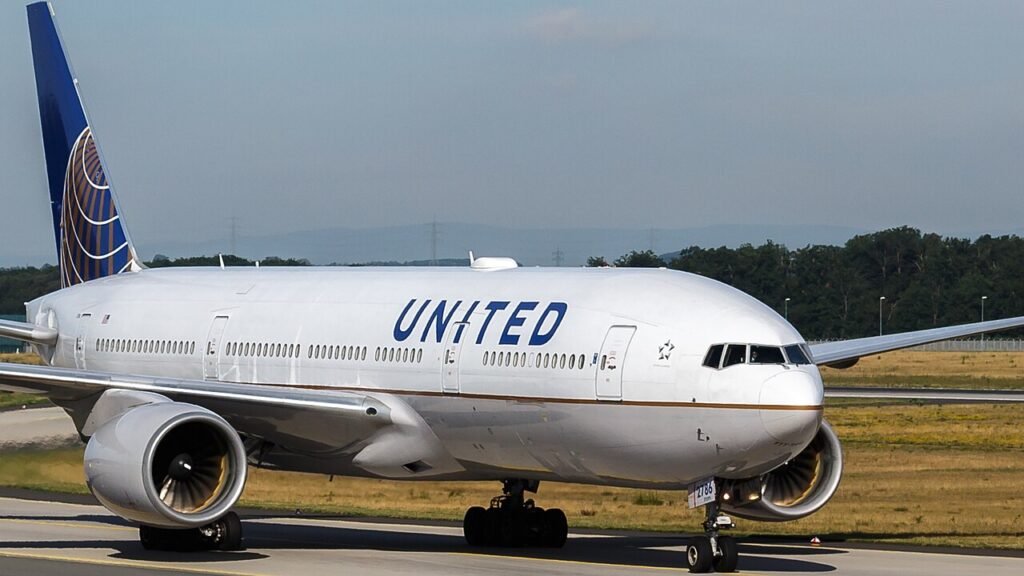
The aircraft, a 27-year-old Boeing 777-200, developed a technical fault before departure that engineers could not repair in Tokyo. As a result, travelers on the ultra-long-haul route faced more than half a day in the air without screens, internet access, or a way to charge personal devices.
United Airlines Flies to Tokyo Without Power
Passengers learned about the situation through an onboard announcement shortly before the journey began.
According to PYOK, one traveler on flight UA804 posted on Reddit that the crew confirmed there would be no in-flight entertainment, no Wi-Fi, and no in-seat power for the entire trip.
The route between Tokyo and Washington normally takes around 12 hours of flying time. Once taxi times at both airports are added, a total duration of 13 hours is realistic.
For travelers on this particular service, that meant a very long stretch with no built-in way to stay entertained or keep devices powered.
The affected aircraft was nearly three decades old. The technical defect appears to have disabled the in-flight entertainment system, which is likely linked to both the in-seat power supply and possibly the Wi-Fi network. When one core system fails, connected features often stop working at the same time.
Why the Flight Still Departed
Airlines treat technical defects in two very different ways. Some issues are system-critical and must be fixed before a plane is legally allowed to fly. Everything else falls into a separate category that does not affect airworthiness.
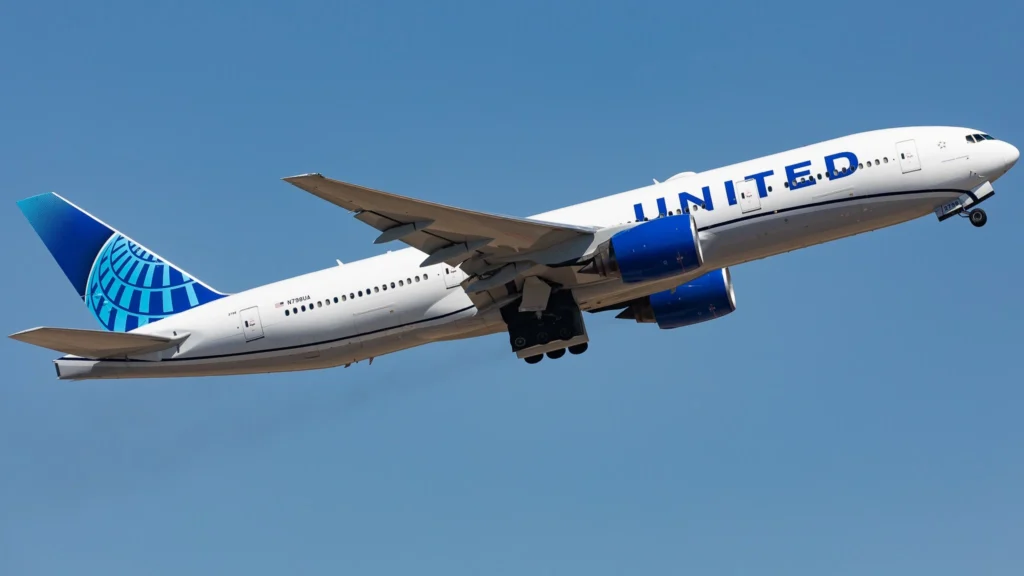
The list of components that must function for a flight to operate is known as the Minimum Equipment List, or MEL. While certain cabin items appear on the MEL, a working in-flight entertainment system and Wi-Fi connection are not among them. This meant the aircraft remained legal to fly despite the failures.
This left United with a difficult choice. The airline could delay the flight and risk passengers missing tight connections and onward travel plans, or proceed with the service knowing the cabin experience would fall short. United chose to operate the flight.
The Challenge of Repairs Away From a Hub
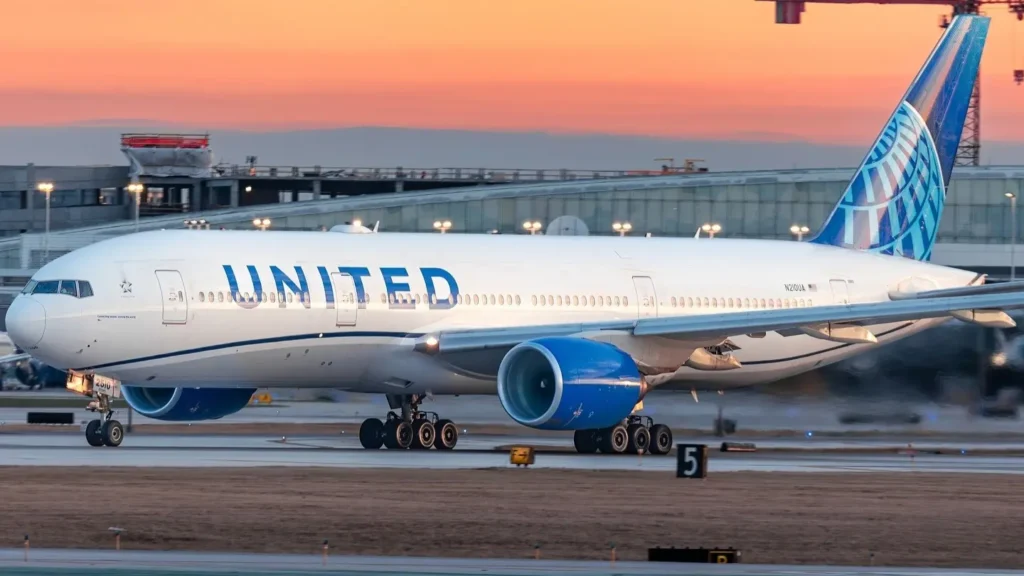
Technical problems are harder to resolve when they happen at an outstation rather than at an airline’s main base. Tokyo is not a United maintenance hub, so the options available to engineers there were limited.
In the case of a fault in the in-flight entertainment system, an engineer at an outstation can usually only switch the system off and reboot it, similar to restarting a home computer.
If that step does not restore the system, there is little else that can be done locally. The standard approach in such cases is to return the aircraft to the airline’s own hub for a proper fix.
Context Around United’s Premium Ambitions
The incident arrives at a notable time for the carrier. United’s chief executive has lobbied the Trump administration with the goal of acquiring rival American Airlines, with the stated intention of creating the world’s most premium airline.
A 13-hour flight without entertainment, connectivity, or power does not align well with that premium positioning.
At the same time, United has made significant improvements to its onboard product in recent years, and technical faults of this kind can occur on any airline.
Practical Tips for Long-Haul Travelers
Situations like this highlight the value of carrying a personal backup plan on long flights. A simple in-flight survival kit can make a major difference when onboard systems fail.
Useful items include a tablet preloaded with downloaded content from streaming services, a book as a low-tech fallback, and a fully charged power bank, where airline rules still permit their use. USB converter plugs are also helpful, since they allow a USB-A socket to work with a USB-C charging cable.
Additional items worth packing include an eye mask in case cabin lights malfunction, snacks in the event of a catering issue, and good-quality headphones or earplugs to block out cabin noise. Travelers flying with companions may also benefit from a pack of playing cards or downloaded audiobooks for the journey.
Stay tuned with us. Further, follow us on social media for the latest updates.
Join us on Telegram Group for the Latest Aviation Updates. Subsequently, follow us on Google News


