CHICAGO— United Airlines (UA) has revealed that its current global network is now four times larger than that of Pan American World Airways (PA) at its peak, highlighting a major shift in the scale of international aviation. The comparison was shared during a recent media briefing.
Operating from key hubs such as Chicago O’Hare International Airport (ORD) and Newark Liberty International Airport (EWR), United has steadily expanded its footprint across continents. The airline now connects a vast number of destinations worldwide, far exceeding the reach achieved during Pan Am’s dominance in the golden age of aviation.
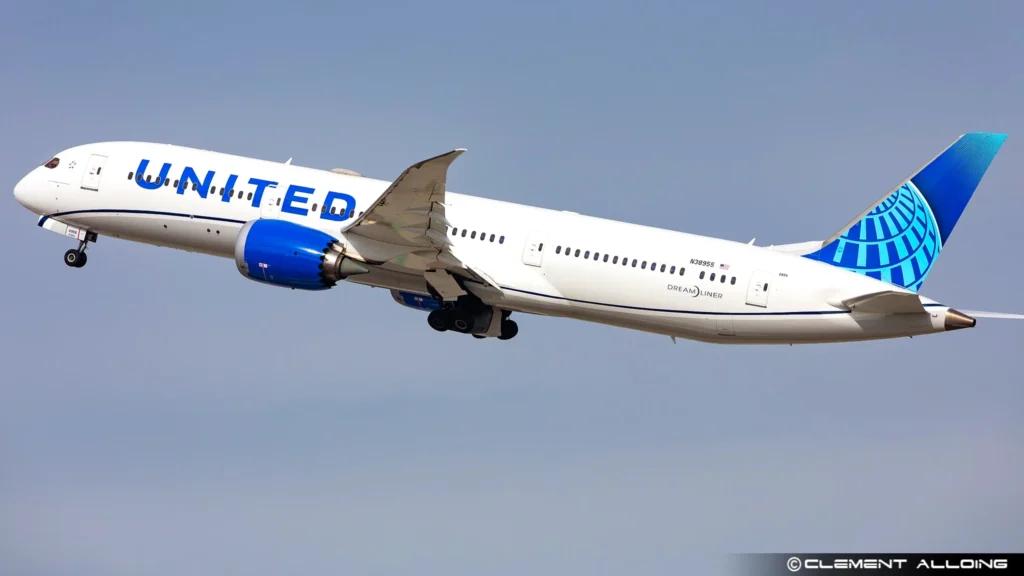
United Network is 4X Larger than Pan AM
United Airlines has built one of the largest international networks in aviation history. According to senior leadership, the airline’s global reach is now four times greater than Pan Am’s at its height, reported Live and Let’s Fly.
Unlike earlier decades, today’s aviation market operates without heavy regulatory constraints. This allows airlines like United to expand routes, increase frequencies, and serve more diverse destinations.
The airline currently serves more cities globally than any other carrier. This extensive reach includes not only major hubs but also secondary and emerging markets that were previously underserved.
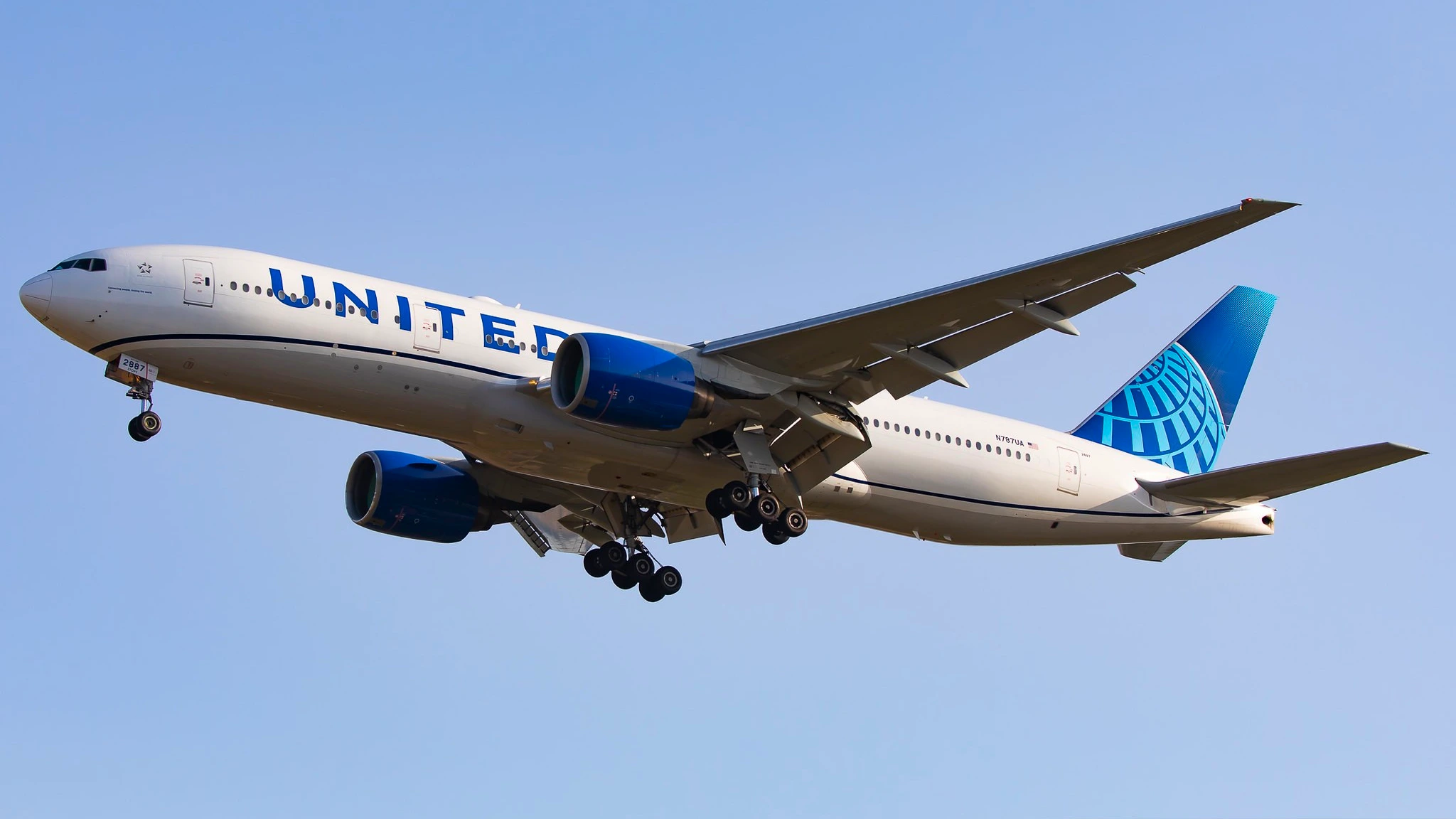
United’s Hub Strategy Growth
United’s expansion is driven by a structured hub strategy rather than random growth. Each major hub plays a specific role in strengthening global connectivity.
Newark serves as the airline’s primary gateway to the Atlantic, offering dozens of European and international routes. Houston acts as a key hub for Latin America, providing extensive connectivity to Central and South America.
Denver has emerged as the fastest-growing hub, significantly increasing its European routes since 2019. Meanwhile, Chicago remains a central hub with connections to over 200 destinations, supporting both domestic and long-haul operations.
This specialization allows United to optimize schedules, improve efficiency, and respond quickly to changing demand patterns.
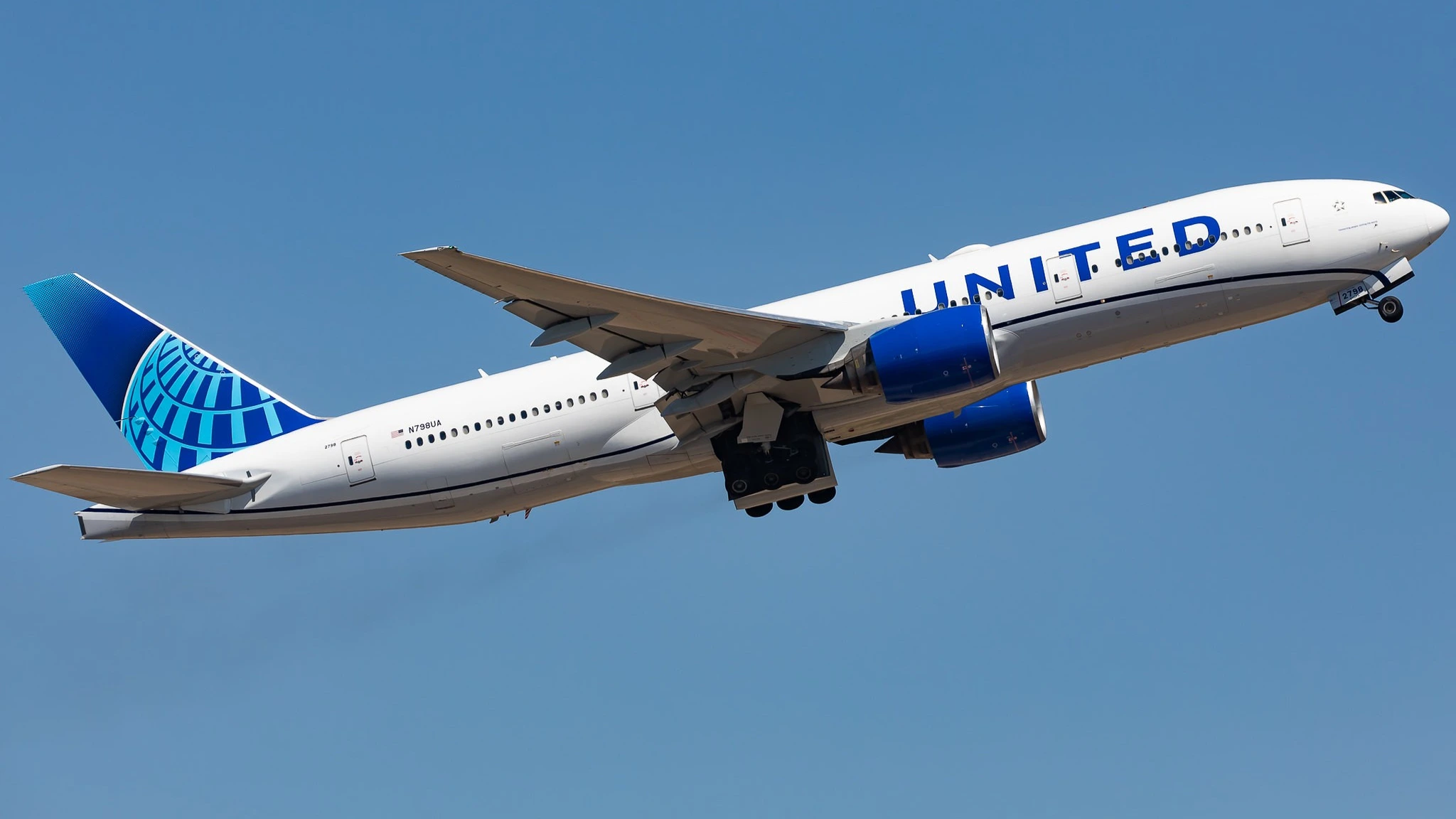
Domestic Feed Strategy of UA
A strong domestic network supports United’s international expansion. The airline has shifted away from smaller regional jets toward larger mainline aircraft.
Previously, a significant portion of domestic flights used 50-seat aircraft. That share has now dropped sharply, with most flights operated using larger planes.
This change increases seat capacity and enhances premium offerings. It also improves connectivity by feeding more passengers into long-haul international routes.
United has also expanded its premium seating significantly in recent years. This aligns with growing demand for higher-value travel experiences and supports long-term revenue growth.
The comparison with Pan Am highlights a broader industry transformation. While Pan Am symbolized prestige and exclusivity, United represents scale, accessibility, and network depth in a competitive market.
Stay tuned with us. Further, follow us on social media for the latest updates.
Join us on Telegram Group for the Latest Aviation Updates. Subsequently, follow us on Google News


