CHICAGO– United Airlines (UA) and the Association of Flight Attendants-CWA are moving closer to a new labor agreement after more than five years without a pay raise for cabin crew. The negotiations may conclude by March 27 as both sides push to finalize revised contract terms.
The talks involve United Airlines and its hub operations at Chicago O’Hare International Airport (ORD), where key labor negotiations continue. The airline has offered industry-leading pay and new sit-pay provisions, but union leaders may trade certain job protection rules in return.
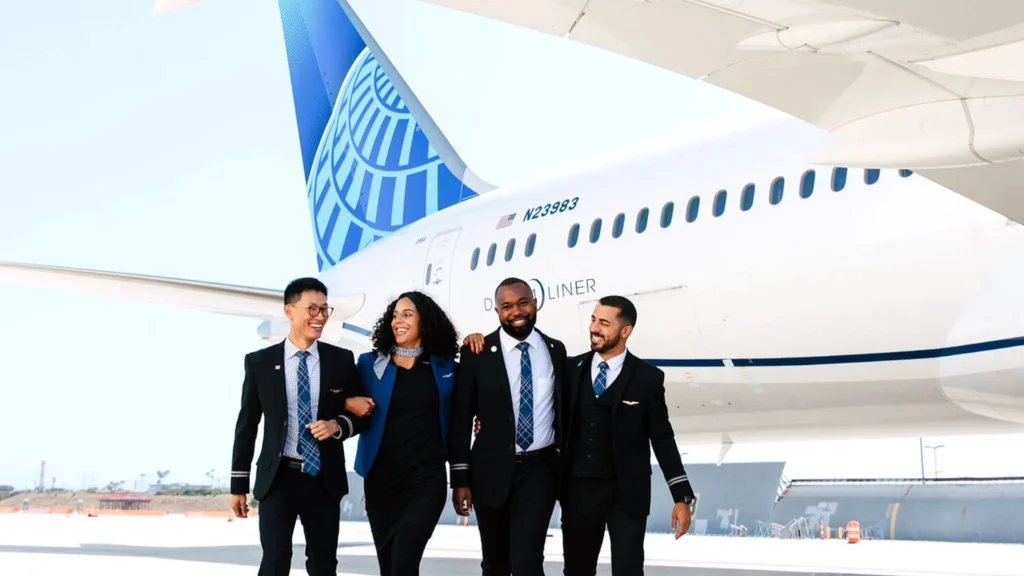
United Attendants Trade Scope in New Contract
United Airlines flight attendants rejected a tentative labor agreement in 2024, sending negotiators back to the bargaining table. The new round of talks focuses on improving compensation and working conditions for cabin crew.
One major request from the union is sit pay. This refers to compensation for time spent waiting between flights at airports, which historically has not been paid. United has indicated a willingness to include sit pay in the new contract, marking a notable shift in policy.
Another issue involves standards for layover hotels. Flight attendants want stronger contract language to ensure consistent quality and safety during overnight stays.
United has also signaled that the revised deal could make its flight attendants the highest paid in the industry for the duration of the agreement. However, airline management has made it clear that any additional benefits must be offset by concessions elsewhere in the contract, View from the Wing reported.
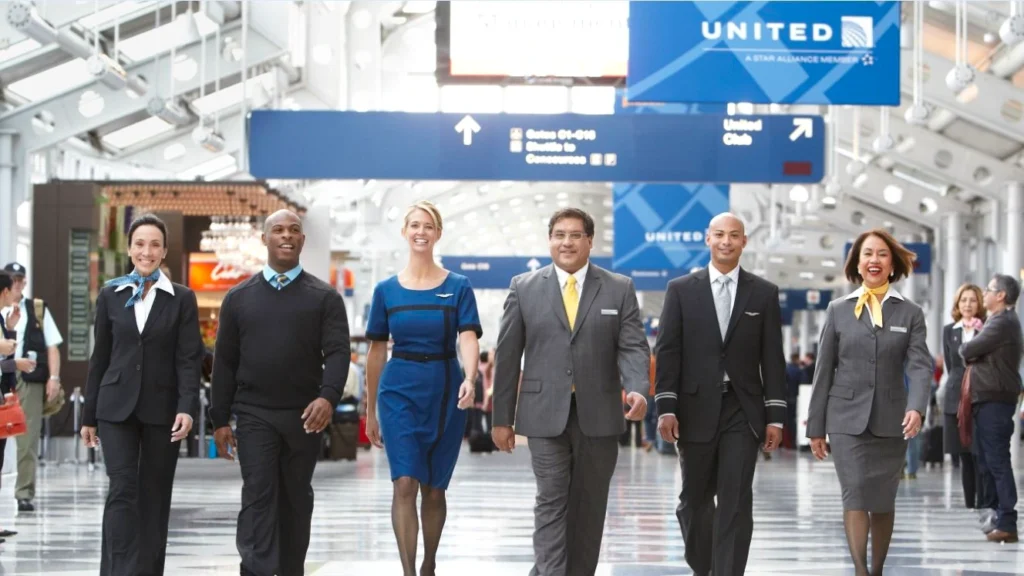
Scope Clause Could Become Key Trade-Off
The potential concession attracting the most attention involves the contract’s scope clause. Scope clauses typically protect union jobs by limiting how airlines outsource flying or create lower-cost subsidiaries.
In the current contract, United cannot operate commercial flights through an airline it controls unless the flight attendants working those flights are part of the United seniority list and union agreement.
The agreement also prohibits the airline from establishing or purchasing what is known as an alter-ego airline that would operate outside the main labor contract.
If the union relaxes this provision, United could potentially own a regional airline with a separate flight attendant workforce. Such a carrier could operate at lower labor costs compared with mainline operations.
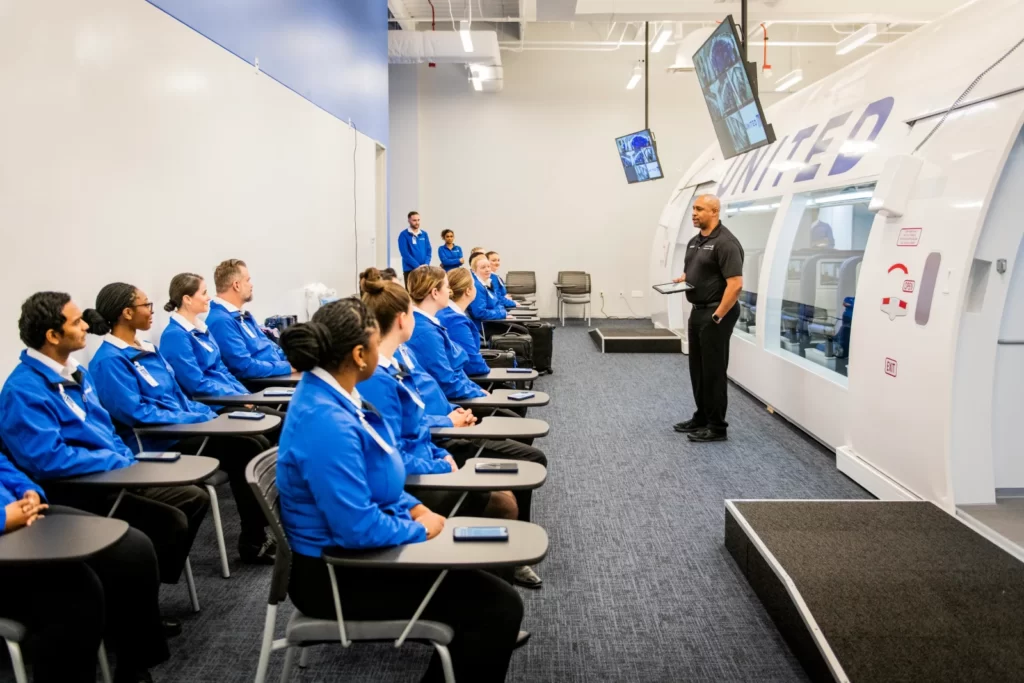
Why the Proposal Is Unusual
Labor scope clauses are usually treated as non-negotiable by unions because they protect long-term job security. Aviation analysts note that giving ground on scope provisions is uncommon.
However, the proposal may carry less risk than it first appears. Even if the flight attendant scope rules change, United would still face significant limits from its pilot contract.
The Air Line Pilots Association agreement places strict caps on regional flying under the United Express brand.
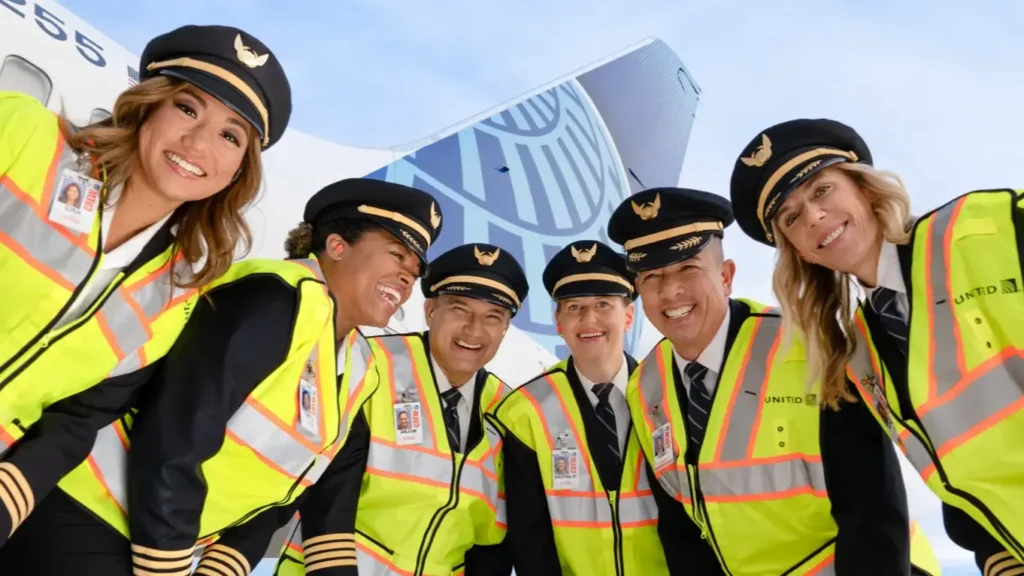
Pilot Contract Still Limits Regional Operations
The pilot contract sets detailed restrictions on aircraft size, fleet composition, and route structure for regional operations.
Aircraft with 50 seats cannot exceed 90 percent of the mainline single-aisle fleet.
Regional jets with 70 or 76 seats are capped at 255 aircraft, including no more than 153 with 76 seats. That limit can increase only if United adds qualifying small narrowbody aircraft to its mainline fleet.
Regional operations must also meet several network limits:
- At least 80 percent of United Express flights must be under 900 miles.
- Flights between United hubs cannot exceed 5 percent of total United Express flying hours.
- At least 90 percent of regional flights must connect to hubs or designated large stations.
If pilots are furloughed, aircraft with 76 seats must be downgraded to 70-seat configurations.
These restrictions would remain in place even if the flight attendant contract allowed United to own a regional airline.
United’s Existing Regional Airline Investments
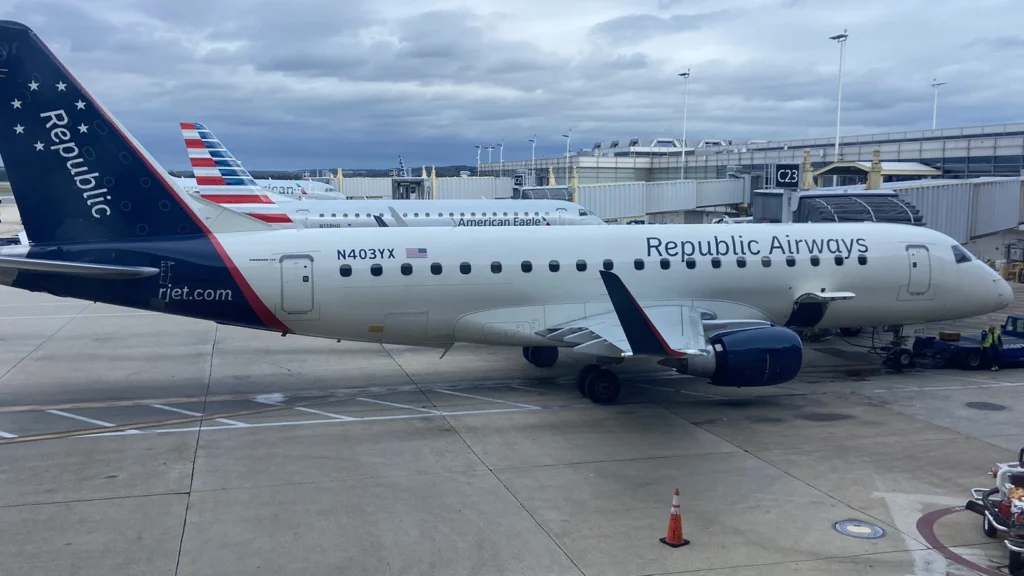
United already holds minority ownership stakes in several regional airlines that operate United Express flights.
The airline owns about 22.3 percent of Republic Airways, which recently acquired Mesa Airlines. It also holds a 40 percent stake in CommuteAir.
Previously, United owned 49.9 percent of ManaAir, the parent company of ExpressJet.
These investments allow United to influence regional operations without direct control. A change to the flight attendant scope clause could allow the airline to take majority ownership of a regional carrier for the first time.
What the Negotiations Mean for United
For United Airlines, the potential contract change could open the door to new regional business models and tighter operational control.
For flight attendants, the trade-off could deliver long-awaited pay increases and new compensation rules such as sit pay.
The outcome will depend on whether union members view the financial gains as worth relaxing one of the contract’s most protective clauses.
Negotiations are scheduled to continue through March 27, which is currently the final planned day of bargaining for the month.
Stay tuned with us. Further, follow us on social media for the latest updates.
Join us on Telegram Group for the Latest Aviation Updates. Subsequently, follow us on Google News


