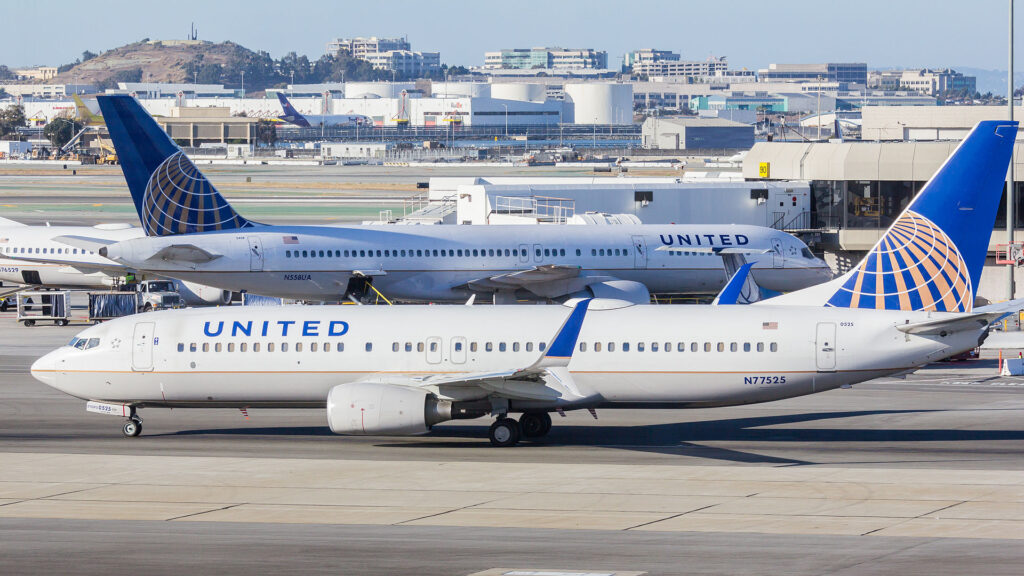
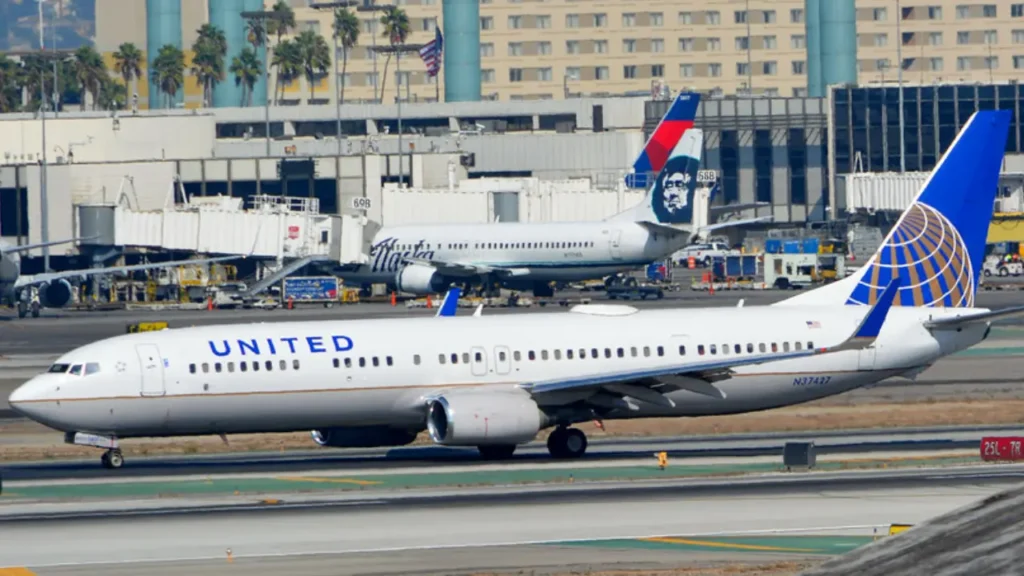
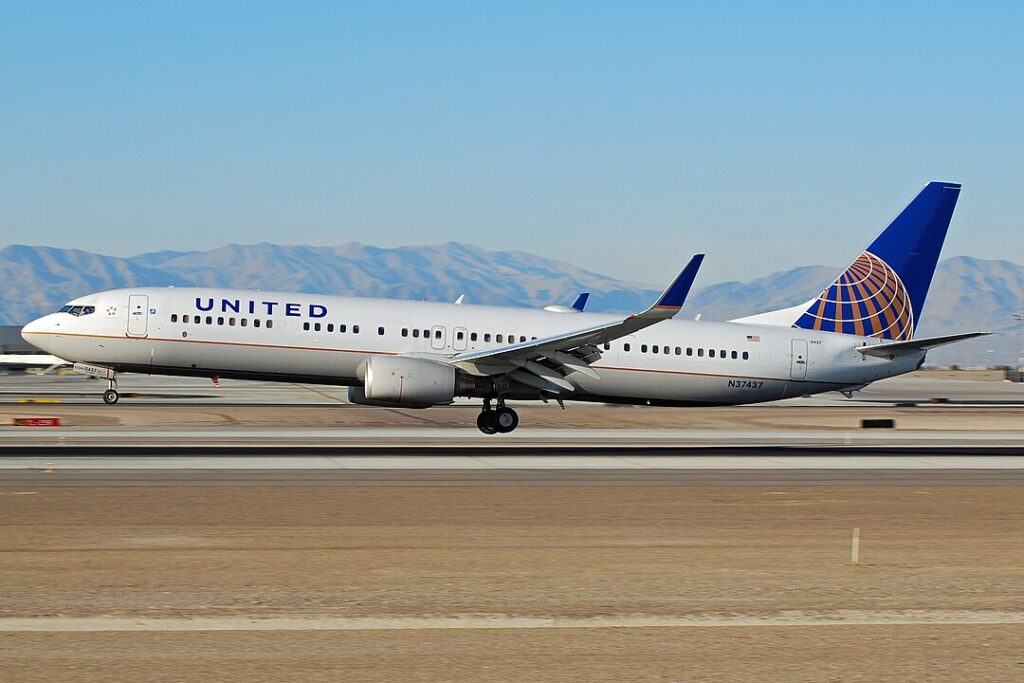
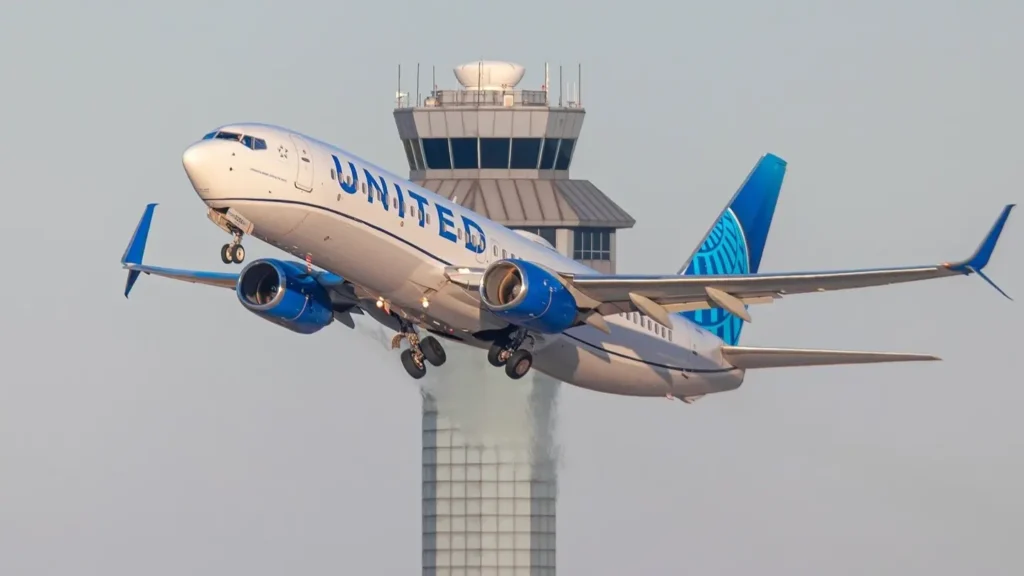
CHICAGO- A United Airlines (UA) Boeing 737, registration N37456, was grounded at Newark Liberty International Airport after a single bullet was discovered in an overhead bin before boarding.
The aircraft was scheduled to operate flight UA1511 from Newark to Miami International Airport (MIA) at 2:07 PM on February 17.
Authorities declared the aircraft a crime scene and conducted a full security sweep before passengers were allowed to board.
The flight ultimately departed around 5:00 PM, nearly three hours behind schedule, after officials cleared the aircraft.
Cabin Discovery Triggers Federal Security Response
The ammunition was discovered inside an overhead compartment while the aircraft was at the gate preparing for departure to Miami.
Boarding had not yet commenced when the bullet was found, prompting immediate notification of airport security and law enforcement.
The aircraft was formally designated a crime scene to preserve evidence and ensure procedural integrity.
Security teams conducted a comprehensive sweep of the cabin and surrounding areas to confirm that no additional prohibited items were present.
The origin of the bullet remains unknown. It is unclear how the ammunition entered the aircraft cabin despite layered screening procedures at the departure airport.
In a statement, United Airlines said, “Security personnel cleared the aircraft, which later departed for Miami.”
TSA Screening and Concealment Attempts
Firearms and ammunition are strictly prohibited in aircraft cabins under federal law. The Transportation Security Administration oversees passenger and baggage screening across U.S. airports.
Despite multiple screening layers, enforcement agencies continue to intercept concealed weapons and ammunition.
Reported by PYOK, recent cases show increasingly deliberate concealment efforts.
In March 2025, TSA officers at Newark stopped a passenger who attempted to hide 16 bullets wrapped within multiple layers of aluminum foil.
In May 2024, authorities intercepted a convicted felon attempting to smuggle three handguns and 204 bullets in checked luggage.
The weapons were wrapped in multiple layers of foil-backed tape and placed inside a metal briefcase lined with sheets of metal in an attempt to confuse airport X-ray machines.
At John F. Kennedy International Airport (JFK), a passenger attempted to conceal a semi-automatic handgun and a loaded magazine inside containers of peanut butter. TSA officers identified the weapon during routine screening.

Similar Incident at Atlanta Airport
A comparable security event occurred last November involving Frontier Airlines (F9) at Hartsfield-Jackson Atlanta International Airport (ATL).
A passenger discovered a loaded handgun magazine containing ten hollow-point rounds on the cabin floor of a Frontier aircraft.
Authorities immediately evacuated the plane at the gate. The Atlanta Police Department coordinated with TSA, Homeland Security, police K-9 units, and officials from Atlanta’s Department of Aviation to conduct a full security sweep.
All passengers were deplaned and rescreened before being allowed to reboard. The aircraft departed with a delay of nearly 3 hours.
Domestic Oversights and International Legal Risks
Most ammunition discoveries stem from passenger oversight rather than deliberate concealment. However, undetected items can have serious legal consequences, especially outside the United States.
While such mistakes may go unnoticed on domestic flights, international jurisdictions often impose strict liability for ammunition possession.
In 2024, the US State Department issued an urgent warning to American travelers visiting the British Overseas Territory of the Turks and Caicos Islands.
Multiple US citizens were arrested after local airport security discovered ammunition in their carry-on bags during departure screening.
In those cases, travelers had passed through US TSA checkpoints without detection and were unaware that bullets remained in their luggage. Even a single round of ammunition can result in arrest, fines, or imprisonment under foreign law.
Aviation Security Implications
The Newark incident underscores the importance of strict cabin security controls and rapid response protocols.
Declaring the aircraft a crime scene ensured evidence preservation and maintained safety standards before passenger boarding.
Although the aircraft was ultimately cleared and operated safely, the case raises ongoing questions about screening effectiveness and compliance with federal aviation security regulations.
Continuous vigilance and enforcement remain critical to safeguarding commercial aviation.
Stay tuned with us. Further, follow us on social media for the latest updates.
Join us on Telegram Group for the Latest Aviation Updates. Subsequently, follow us on Google News


