CHICAGO- United Airlines (UA) is facing hotel rejections for its flight attendants during layovers, according to the Association of Flight Attendants (AFA-CWA).
The issue has added pressure to ongoing contract negotiations with the union representing more than 25,000 crew members at the airline’s Chicago O’Hare (ORD) headquarters.
Hotels across major layover destinations such as London (LHR), Amsterdam (AMS), and New York (JFK) have reportedly become reluctant to accommodate crew members, citing operational challenges and evolving market conditions.
This development underscores the shifting relationship between airlines and hotel providers amid changing travel economics.
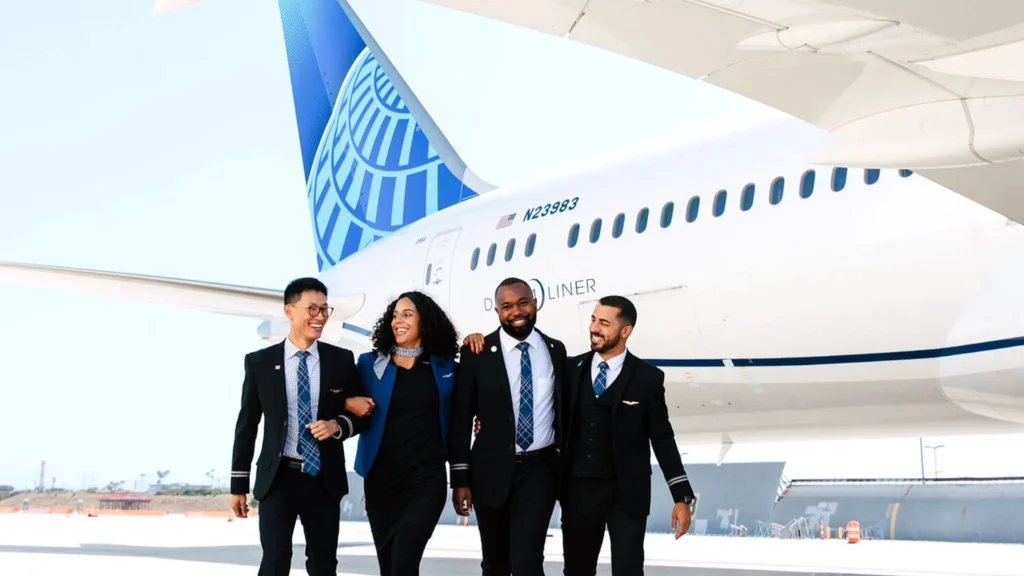
United Airlines Faces Hotel Rejection
For decades, airline crew members enjoyed stays in premium, centrally located hotels often part of the appeal of the profession. However, this dynamic has changed as hotels reassess the value of airline contracts.
According to PYOK, many properties now prefer regular travelers who book directly, stay longer, and generate higher overall revenue compared to short-stay airline crews.
Airline contracts typically include unique demands such as 24 hour check-ins, proximity restrictions to elevators or ice machines, and minimum quality standards.
These conditions complicate hotel operations and reduce scheduling flexibility. With strong post-pandemic demand, hotels have found they can maintain high occupancy rates at better margins without relying on airline business.
The AFA-CWA has acknowledged that while guaranteed bookings from airlines can seem beneficial, hotels increasingly view flight attendants stays as logistically burdensome.
United Airlines, meanwhile, must balance cost controls with ensuring its crew have safe, comfortable, and contractually compliant accommodations.
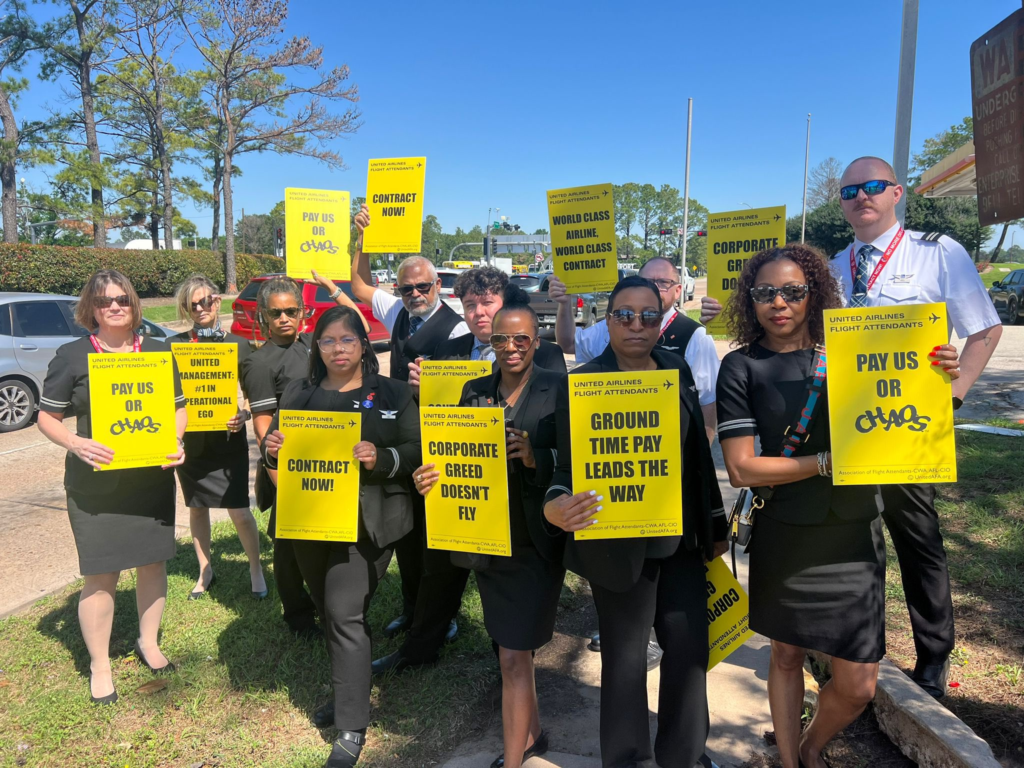
Contract Negotiations and Crew Dissatisfaction
The AFA-CWA continues to push for better quality hotels located closer to central attractions and airports. However, United’s management has pointed to rising costs and limited hotel availability as reasons for compromise.
The carrier has exercised a clause in its existing agreement that allows for “downtown or downtown-like” accommodations, a move that has displaced crews to less desirable areas.
Examples include crew relocations from London’s central districts to towns over 20 miles away, as well as similar shifts in cities like Amsterdam, Rome, and New York.
Flight attendants argue these changes increase commute times, disrupt rest periods, and diminish layover quality.
Despite frustrations, negotiations are progressing slowly. The tentative agreement reached earlier this year proposed removing the “downtown-like” clause and revising language around “business class” hotels, which may eventually improve accommodation standards.
Still, bargaining sessions are scheduled into Spring 2026, with no final resolution in sight.
Future Outlook
The broader hotel market continues to influence the situation. As travel demand stabilizes, hotels are favoring flexibility and profitability over fixed airline contracts.
For airlines like United, this means increased logistical challenges and higher costs when trying to secure reliable lodging for crew members on tight turnaround schedules.
Should United and the AFA-CWA finalize a new agreement, modest improvements in accommodation selection could follow.
Until then, the airline’s flight attendants will continue to face inconsistent hotel quality and varying layover experiences worldwide.
Stay tuned with us. Further, follow us on social media for the latest updates.
Join us on Telegram Group for the Latest Aviation Updates. Subsequently, follow us on Google News


