The story of Concorde in Singapore is often told as a brief experiment in supersonic travel. In reality, it was a complex mix of ambition, geopolitics, and economics that unfolded over nearly a decade, leaving behind one of aviation’s most unusual partnerships.
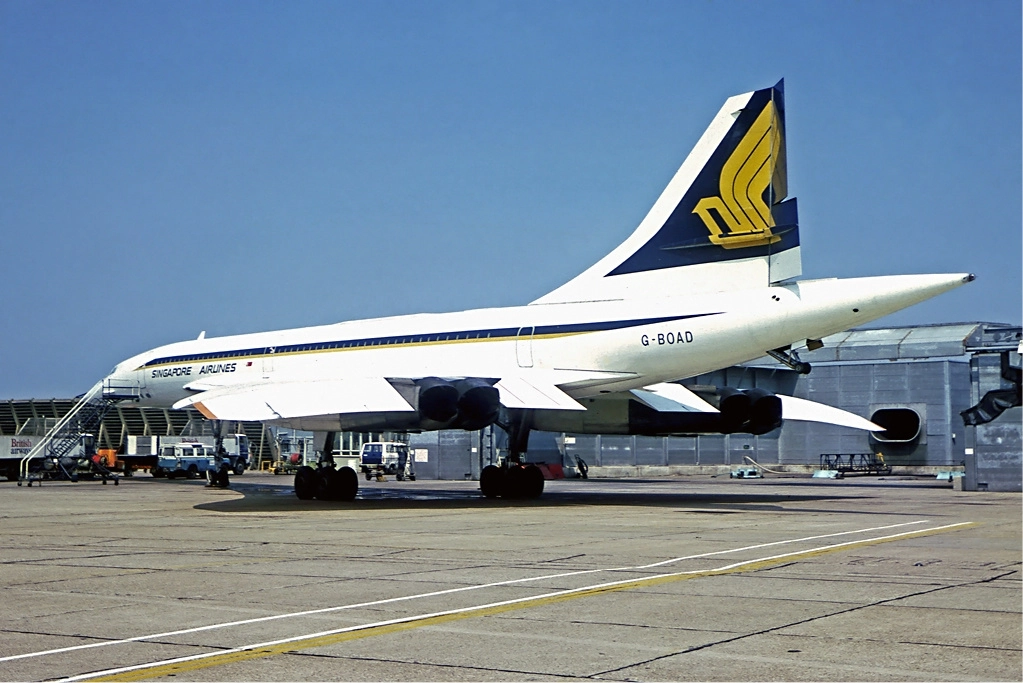
In the late 1970s, Singapore Airlines (SQ) and British Airways (BA) joined forces to operate the iconic Concorde between Singapore and London.
The service cut journey times roughly in half, reducing what had been an 18-hour, multi-stop trip to about nine hours, including a brief refueling stop in Bahrain.
https://commons.wikimedia.org/wiki/File:Singapore_Airlines_Concorde_Fitzgerald-2.jpg
Untold Story of Singapore Airlines Concorde
Singapore’s connection with Concorde began well before commercial operations. In 1972, the aircraft landed in the city during a promotional tour, drawing large crowds and signaling its potential role in linking Europe with Asia and Australia.
At the time, manufacturers were eager to secure regulatory support across Asia. Singapore was seen as a strategic gateway, even if the airline itself never committed to purchasing the aircraft outright.
By the mid-1970s, Singapore Airlines explored leasing Concorde jets. While buying them was financially unrealistic, the airline recognized the prestige and competitive advantage that supersonic travel could offer, Mainly Miles flagged.
Politics Over Speed
Despite the technological promise, Concorde’s expansion into Asia quickly ran into political barriers.
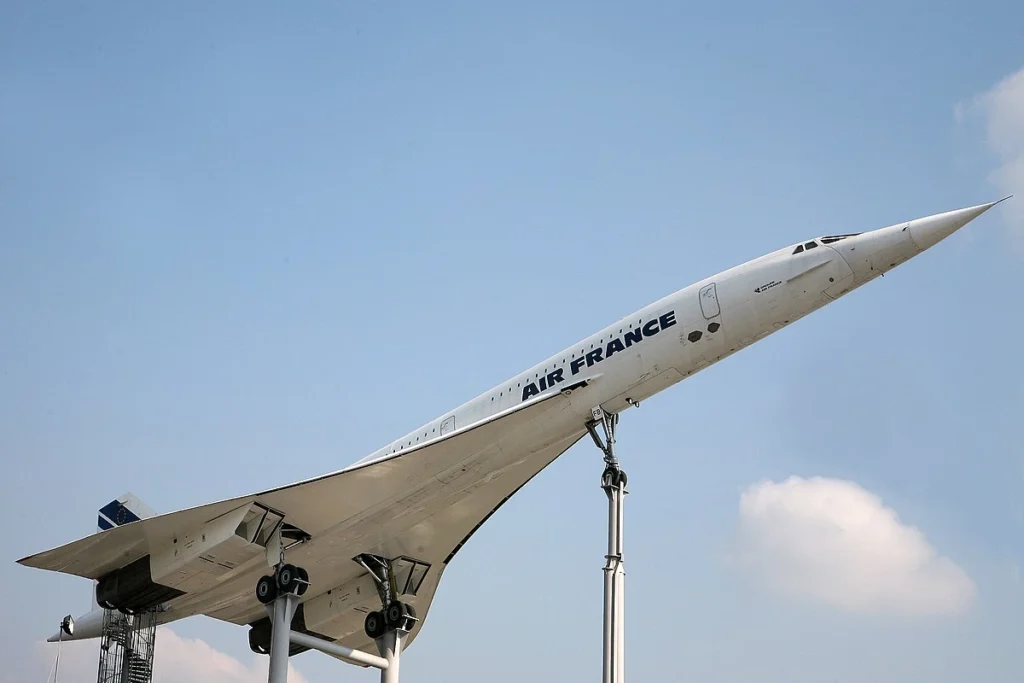
The aircraft’s sonic boom, caused when it exceeded the speed of sound, led to widespread environmental concerns.
Several countries imposed restrictions on supersonic overflights. India, for example, denied access to its airspace, forcing longer and less efficient routings.
The challenges did not stop there. Just days before the inaugural flight in December 1977, Malaysia refused overflight permission without a formal explanation. The decision nearly derailed the launch entirely.
A last-minute agreement with Indonesia allowed the aircraft to take a detour, saving the service from cancellation.
Even so, the route became a symbol of how aviation agreements often reflected political tensions rather than operational logic.
A Unique Partnership between the British and Singapore
The joint venture between Singapore Airlines and British Airways was unlike anything seen before.
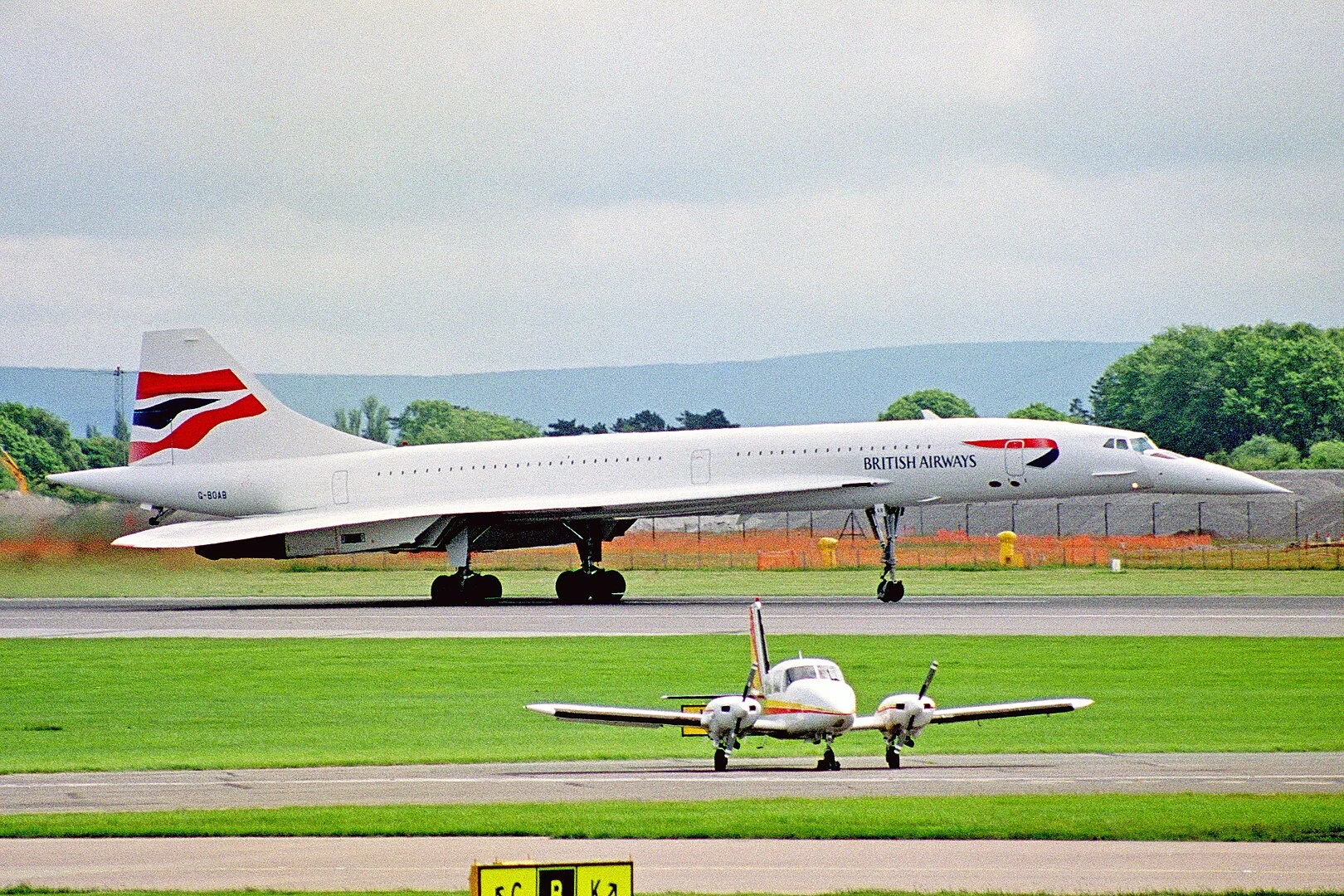
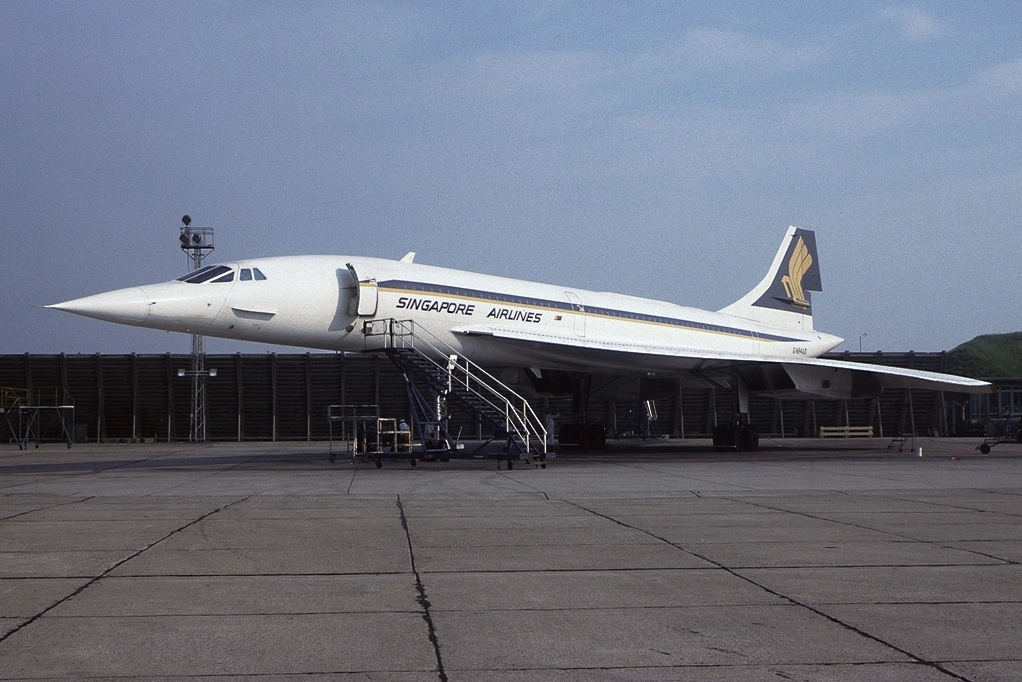
Costs and revenues were split equally, while the aircraft itself carried a distinctive dual livery—Singapore Airlines branding on one side and British Airways on the other.
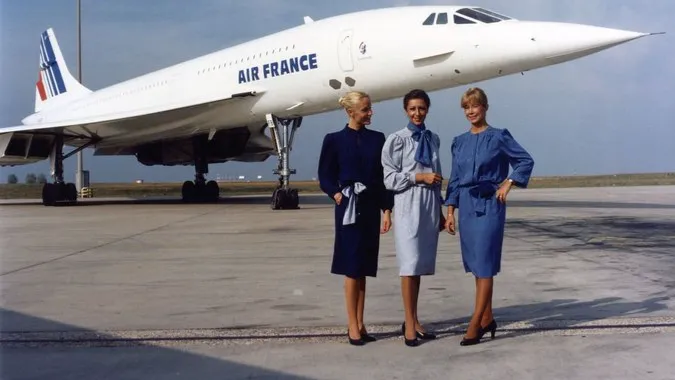
This made it the only Concorde ever to operate under two airline identities simultaneously. The arrangement also extended to cabin crew, who alternated between the two carriers, while British Airways pilots handled flight operations.
The service targeted premium travelers, including business executives, government officials, and celebrities.
Tickets were priced about 15 percent higher than First Class fares, positioning Concorde as both a time-saving tool and a luxury experience.
Onboard Reality and Operational Struggles
While Concorde delivered unmatched speed, it came with trade-offs.
The cabin was narrow, seating was relatively compact, and noise levels were higher than on conventional widebody aircraft like the Boeing 747.
However, airlines compensated with high-end service. Passengers were treated to gourmet meals, premium wines, and champagne, creating an experience that emphasized exclusivity over comfort.
The appeal was clear: travelers could depart in the morning and arrive in London the same day, a significant advantage for time-sensitive journeys.
Despite initial excitement, the service faced ongoing challenges. Load factors fluctuated, and the novelty of supersonic travel began to fade over time.
Fuel costs emerged as a major issue. The late 1970s oil crisis sharply increased operating expenses, making Concorde’s already high costs even harder to justify.
The economics of the partnership also became strained. British Airways reportedly shouldered a larger share of passengers, while also compensating Singapore Airlines under the terms of their agreement.
Even operational constraints played a role. Hot weather conditions in Singapore limited the number of passengers that could be carried, as additional fuel was required for longer routings.
A Short-Lived Return
After an initial suspension caused by overflight disputes, services resumed in 1979 following negotiations with Malaysia. Flights are operated three times a week, linking Singapore, Bahrain, and London.
For a brief period, the service appeared stable. Travel time remained a key selling point, and the route attracted a mix of business and connecting passengers from across Asia and Australia.
However, the underlying issues persisted. Rising costs, operational limitations, and declining demand continued to erode profitability.
https://commons.wikimedia.org/wiki/File:Singapore_Airlines_Concorde_Fitzgerald-1.jpg
The End and the Legacy of G-BOAD
By 1980, it became clear that the Singapore–London Concorde service was no longer sustainable.
Reports suggested significant financial losses, compounded by falling passenger numbers and increasing competition from improving subsonic aircraft.
The final jointly operated flight departed Singapore in October 1980, bringing an end to one of aviation’s most ambitious experiments.
Although Concorde would later find success on transatlantic routes, particularly between London and New York, its Asian operations never achieved the same stability.
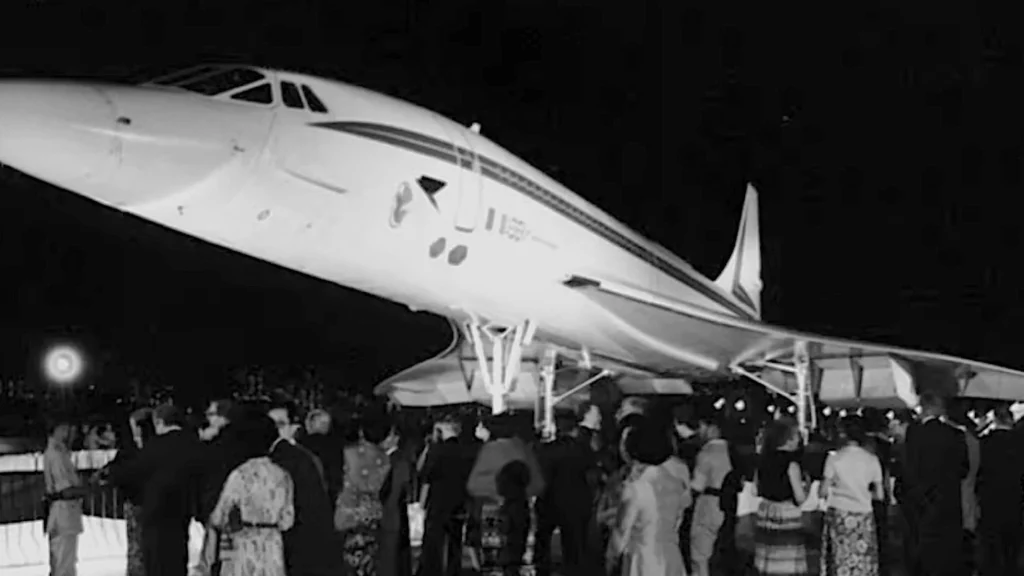
The aircraft used for the Singapore service, registered G-BOAD, went on to have a long career with British Airways. It eventually became one of the most recognizable Concorde jets.
Today, it is preserved at the Intrepid Sea, Air & Space Museum in New York. Restored and displayed for the public, it stands as a reminder of an era when speed briefly redefined long-haul travel.
Bottom Line
The Singapore Concorde story highlights both the possibilities and limitations of supersonic aviation.
It demonstrated that cutting travel time in half was technically achievable, but not always commercially viable.
More importantly, it showed how aviation is shaped not just by engineering, but by politics, economics, and timing.
In the end, Concorde’s time in Singapore was short, but its impact remains significant—a rare chapter where ambition flew faster than reality could sustain.
Stay tuned with us. Further, follow us on social media for the latest updates.
Join us on Telegram Group for the Latest Aviation Updates. Subsequently, follow us on Google News


