WASHINGTON- US aviation loyalty programs are undergoing a major structural shift as airlines increasingly monetize premium cabins. Delta Air Lines (DL), American Airlines (AA), and United Airlines (UA) have all reduced complimentary first-class upgrades across major domestic routes.
Industry data shows that nearly 90% of first-class seats were once allocated to upgrades two decades ago, but that figure has dropped to around 12% today.
The change reflects a broader strategy where airlines prioritize direct revenue over loyalty-based cabin access.
On routes such as Atlanta (ATL) to Los Angeles (LAX), premium seats are frequently sold at low-cost upgrade offers rather than being reserved for elite passengers who generate tens of thousands of dollars in annual revenue.
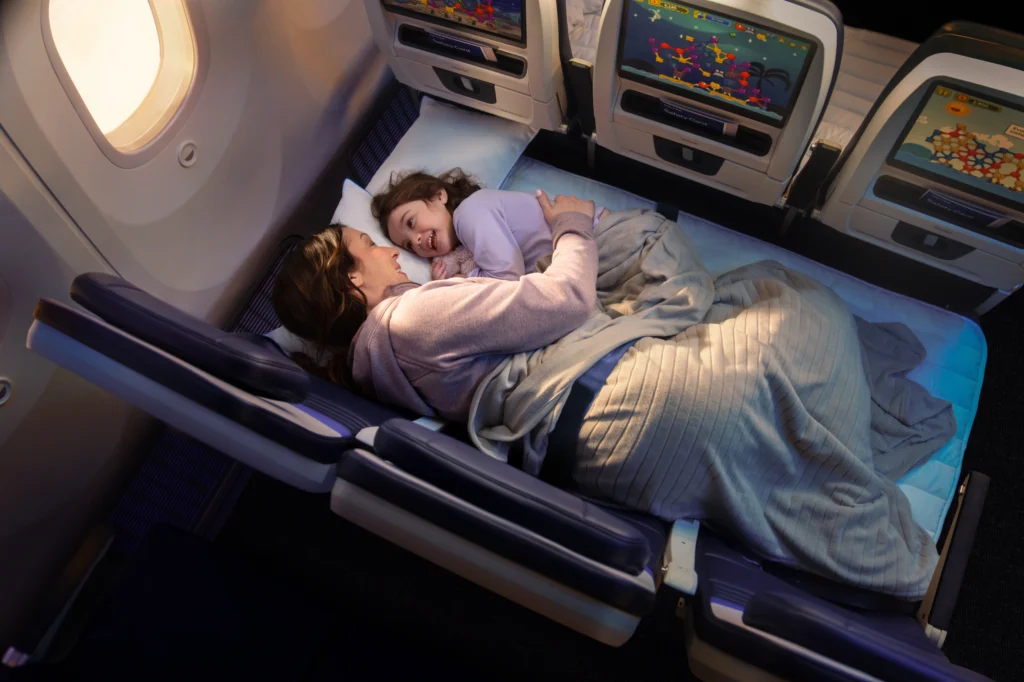
US Airlines Upgrade Decline
Airlines have significantly reduced the availability of complimentary first-class upgrades, especially for mid-tier and top-tier elite members.
Where upgrades were once a core benefit of loyalty programs, they now clear only on a limited number of flights.
Delta Air Lines (DL) has led this transformation by cutting upgrade availability to approximately 12% of first-class seats, according to View from the Wing.
On many domestic routes, elite passengers are left without any upgrade opportunities, even during low-load flights.
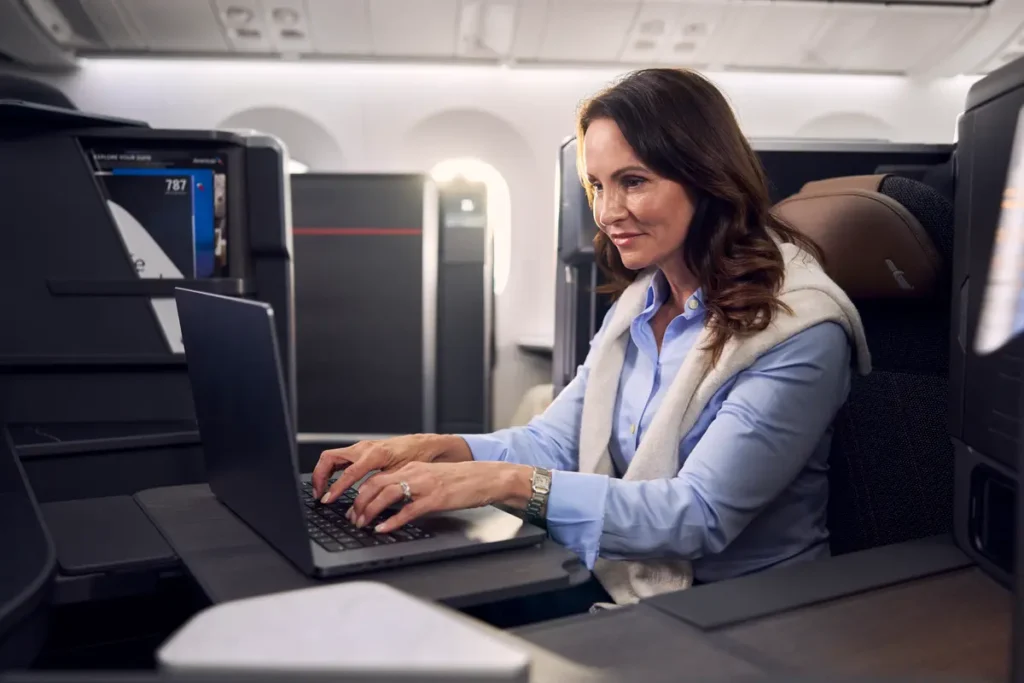
Cabin Monetization
Airlines now aggressively monetize unsold premium seats through low-cost upgrade offers.
Passengers can sometimes purchase upgrades for as little as $26 to $40, even on routes where elite members previously expected complimentary access.
On certain transcontinental flights, such as Atlanta (ATL) to Los Angeles (LAX), confirmed first-class seating can be purchased for around $102.
This pricing strategy prioritizes immediate revenue over loyalty-driven allocation of premium inventory.
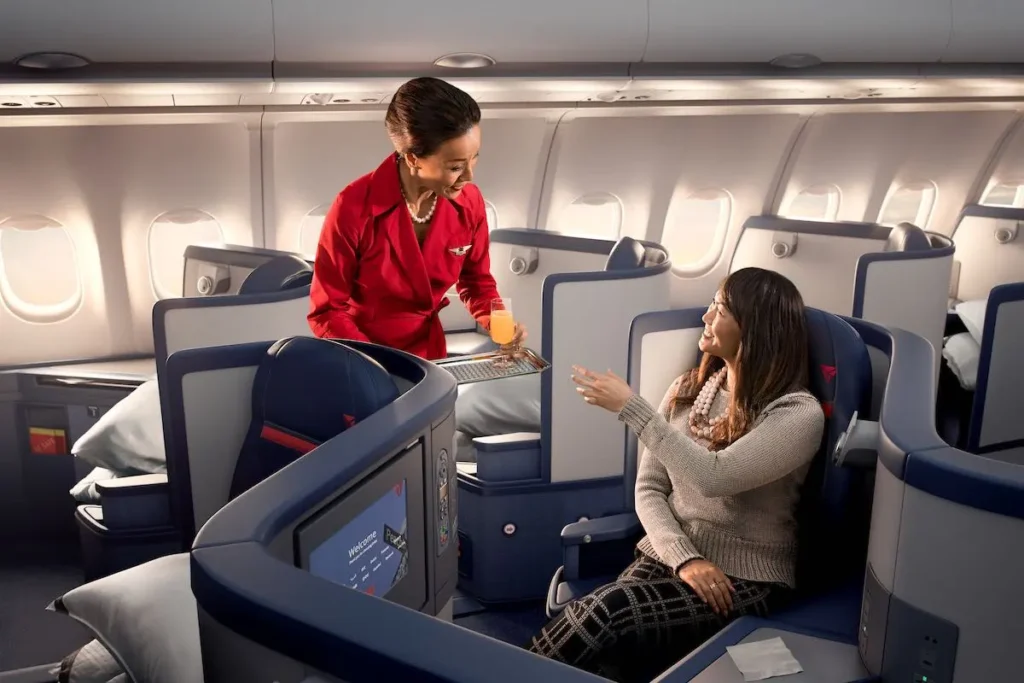
Status Value Decline
The reduction in upgrade availability has weakened the traditional appeal of airline elite status. The primary incentive—free access to first class—has diminished, leaving travelers to rely on secondary benefits.
Mid-tier status now offers the most practical value, including priority boarding, checked baggage allowances, and extra-legroom seating. Airlines have also reframed premium economy as an “upgrade,” further reducing the perceived gap between economy and first class.
Some frequent flyers now evaluate upgrades based on cost thresholds rather than loyalty benefits. For short-haul flights under 1,500 miles, many passengers prefer exit-row seating over paid first class, especially when meals and service differences are minimal.
The overall effect is a decline in customer motivation to pursue top-tier status. As airlines continue to prioritize monetization, loyalty programs are shifting toward credit card spending and ancillary revenue rather than travel frequency.
Stay tuned with us. Further, follow us on social media for the latest updates.
Join us on Telegram Group for the Latest Aviation Updates. Subsequently, follow us on Google News


