DALLAS- A senior engineer employed by a major U.S. aviation company was stopped at Dallas Fort Worth International Airport (DFW) while attempting to board a flight to China with confidential company data. Authorities later revealed that the proprietary information found on his devices was valued at more than $100,000.
The individual, identified as Junjie Zhang, had booked international travel from Dallas-Fort Worth and was intercepted by Customs and Border Protection officers during departure checks. The case has raised concerns about intellectual property protection within the global aviation sector.
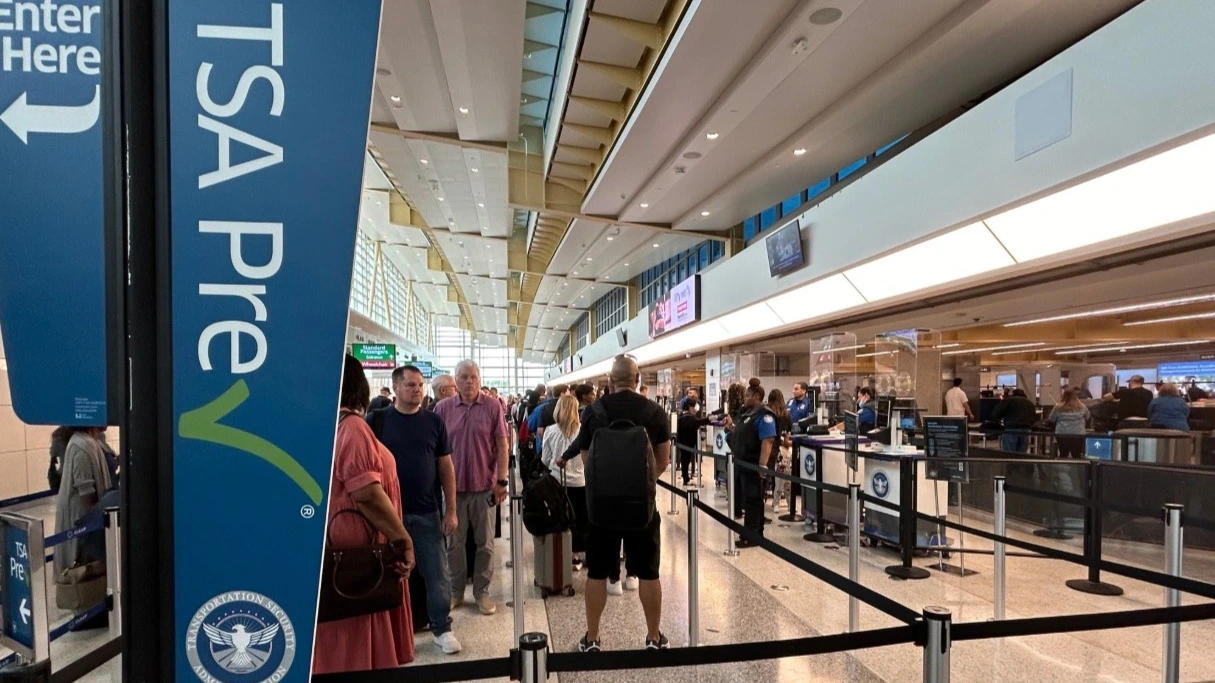
US Aviation Engineer Caught Smuggling Data
The incident occurred in September 2019 when Zhang was preparing to depart the United States. CBP officers selected him for secondary screening just before boarding, which led to a detailed inspection of his carry-on baggage.
During the search, officers discovered a laptop and a thumb drive containing sensitive company materials. These files included technical documents, charts, and aviation-related data belonging to his employer.
Zhang initially denied carrying any work-related files on his personal devices. He later changed his statement, claiming he had authorization to possess the documents, which was contradicted by his employer.

Investigation and Charges
According to PYOK, federal investigators had already been monitoring Zhang’s activities since 2018, following concerns raised during a work-related trip to China. His employer flagged unusual behavior, prompting the involvement of authorities.
Although court documents did not disclose the company name, the investigation pointed to links within Wichita’s aviation manufacturing sector. The city hosts major aerospace firms such as Cessna, Textron Aviation, Learjet, Spirit AeroSystems (owned by Boeing), and Airbus.
Zhang eventually pleaded guilty to making a false statement to federal officers. Prosecutors confirmed that the estimated value of the intellectual property exceeded $100,000, emphasizing the seriousness of the breach.
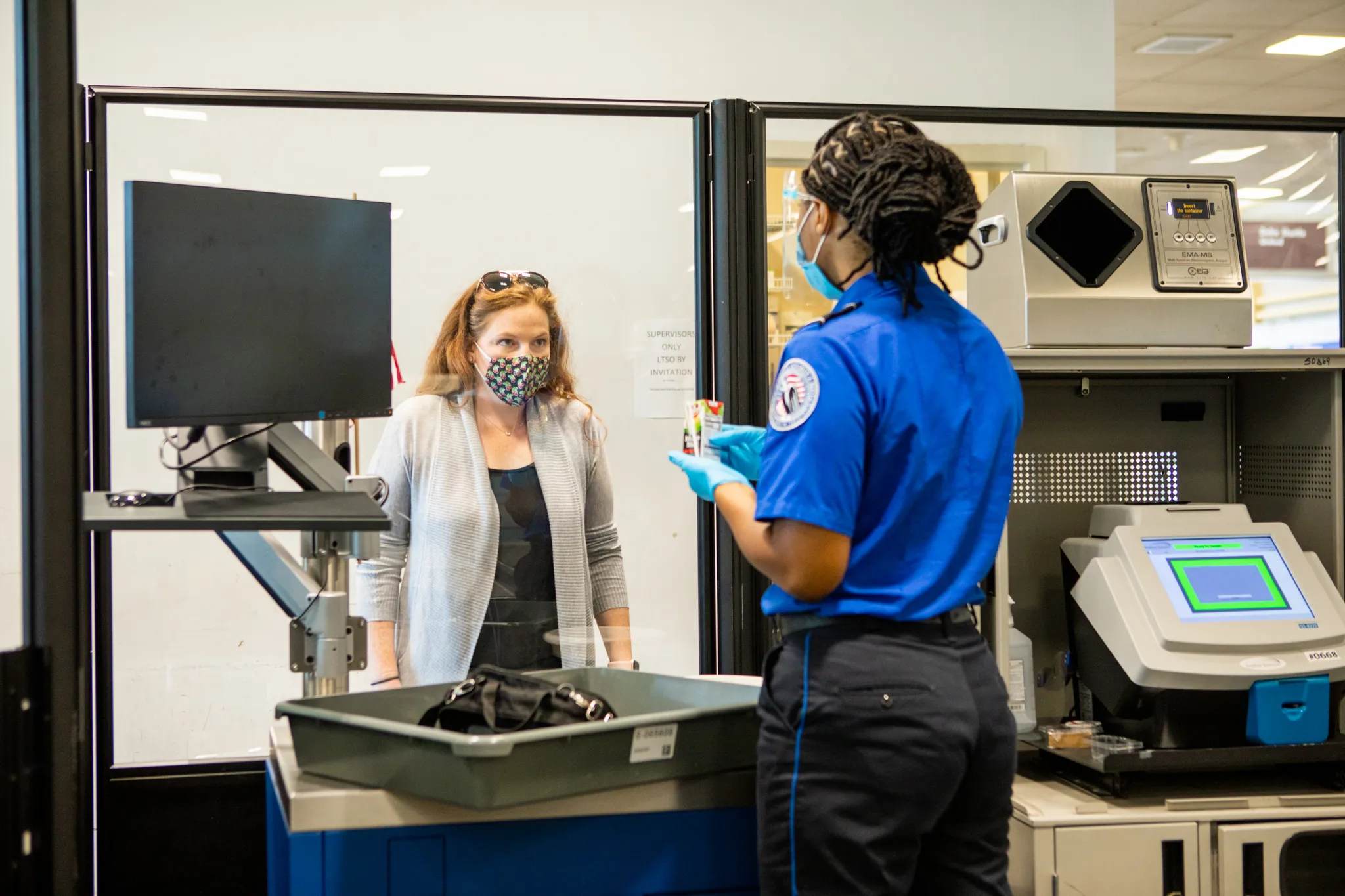
Industry Implications
The case highlights ongoing risks related to intellectual property theft in the aviation industry. Sensitive technical data, including aircraft designs and engineering processes, remains a critical asset for manufacturers.
Zhang’s intended use of the data has not been confirmed, and prosecutors did not pursue additional charges beyond false statements. However, the timing of the incident coincided with the development of China’s COMAC C919 aircraft, a competitor to leading narrow-body jets.
Authorities stated that Zhang faces a maximum sentence of up to eight years in federal prison. Prosecutors have recommended a sentence at the lower end of federal guidelines, and sentencing is scheduled for July 23, 2026.
Stay tuned with us. Further, follow us on social media for the latest updates.
Join us on Telegram Group for the Latest Aviation Updates. Subsequently, follow us on Google News


