Published on
August 11, 2025 |
By: Tuhin Sarkar
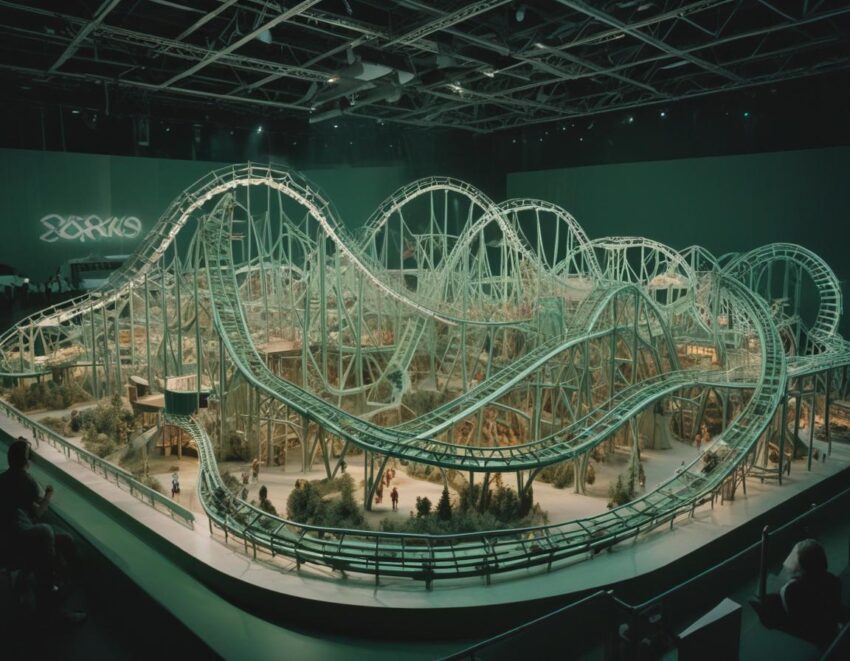
Ho Chi Minh City will become the epicentre of Asia’s tourism and entertainment innovation as it hosts the Theme Park Expo Vietnam 2025 and Stadiums & Venues Expo Vietnam on 27–28 August. These dual events, organised by Firework Exhibition, will bring together key players from the tourism, airline, hospitality, and leisure infrastructure sectors to redefine the region’s visitor economy.
The timing is critical. Vietnam’s tourism market is expanding at record pace, with international arrivals rebounding sharply and domestic tourism reaching all-time highs. As airlines increase connectivity, the demand for new leisure attractions and modern event infrastructure is accelerating. Ho Chi Minh City, a fast-growing hub for both tourism and business, is leveraging this momentum to position itself as Southeast Asia’s entertainment and events capital.
Airlines Power Connectivity Growth
Airline executives attending the expos are expected to outline route expansions aimed at boosting inbound traffic. Vietnam’s strategic location makes it a natural bridge between major Asian markets and long-haul destinations. Enhanced air connectivity is vital for drawing high-spending visitors to the country’s emerging leisure destinations and event spaces. However, operational challenges—ranging from airport capacity constraints to fluctuating fuel costs—will remain central to discussions.
Hotels Seize New Tourism Opportunities
The hospitality sector is already responding to rising demand with aggressive investment. Developers are unveiling new hotels and resorts near planned theme parks, sports stadiums, and entertainment precincts. These properties are focusing on integrated guest experiences, combining accommodation with direct access to leisure and cultural attractions. Sustainability and local engagement are becoming key differentiators for investors targeting Vietnam’s growing tourism segments.
Building for the Future of Events and Leisure
The stadiums and venues sector is entering a transformative era. Modern, multi-purpose facilities are essential for attracting international sports tournaments, concerts, and large-scale cultural festivals. At the expos, developers, architects, and technology providers will showcase solutions to meet rising demand for high-capacity, digitally enabled, and eco-conscious venues. Vietnam’s commitment to upgrading its leisure infrastructure signals a long-term strategy to capture a larger share of Asia’s events market.
Policy and Market Forces Shape Growth
Government policy will play a decisive role in turning these opportunities into sustained success. Streamlined visa processes, targeted marketing campaigns, and incentives for foreign investment are critical for scaling tourism growth. With neighbouring destinations competing for visitors, Vietnam’s ability to offer a seamless, high-quality experience will determine its long-term competitiveness.
Market forces—from currency fluctuations to climate resilience—will also shape investment and operational strategies. Industry leaders will use the expos to align on innovation pathways, ensuring that Vietnam’s entertainment and event infrastructure is built for future demand.
Defining Moment for Vietnam’s Visitor Economy
The twin expos in Ho Chi Minh City represent more than a trade showcase—they are a blueprint for the future of Vietnam’s tourism and events ecosystem. The partnerships, announcements, and strategies emerging from these two days could influence airline schedules, hotel developments, and leisure investment across Southeast Asia for years to come.
The urgency is undeniable. Tourism demand is surging. Competitors are advancing quickly. And the next chapter of Vietnam’s visitor economy is about to be written in Ho Chi Minh City this August.
The Theme Park Expo Vietnam 2025 and Stadiums & Venues Expo will bring the global tourism, airline, and hospitality industries together in Ho Chi Minh City. These twin events will run on 27–28 August. They will showcase the latest in entertainment, leisure, and event infrastructure.
This is more than a trade show. It is a blueprint for Vietnam’s future in tourism and large-scale events. The expos will connect developers, investors, tourism boards, airlines, and hotel groups. They will shape projects that could transform Vietnam’s appeal as a regional tourism leader.
Airline executives are expected to explore new routes and improved schedules. More direct flights mean more visitors. Vietnam’s location makes it a hub between Asia, Australia, and Europe. Expanding air capacity will be key to attracting long-haul and regional travellers.
Hotels are also moving fast. Developers are announcing new properties near planned theme parks, stadiums, and cultural districts. These hotels aim to give travellers integrated experiences. Guests will stay, play, and explore without leaving the destination hub. Sustainability and technology are now at the centre of design.
The events sector is also evolving. Modern stadiums, arenas, and multi-use venues are essential to attract international concerts, sporting tournaments, and global exhibitions. The expo will display smart, eco-friendly, and high-capacity venue solutions. These are vital for securing high-profile events in the future.
Government support is strong. Visa simplifications, targeted marketing, and infrastructure investment are helping Vietnam stay competitive. This is crucial as neighbouring countries fight for the same tourism spend.
The timing could not be better. Tourism demand is surging. Vietnam is recovering faster than many markets. But competition is fierce. The strategies revealed at these expos could shape airline networks, hotel investments, and event infrastructure across Southeast Asia for years.
The urgency is clear. The next chapter of Vietnam’s visitor economy is about to be written. And it will be written in Ho Chi Minh City this August.



