When it comes to flying, commercial airlines and private jets couldn’t be more different. On a long-haul commercial flight, multiple pilots and flight attendants are onboard to comply with strict duty time regulations.
Flights exceeding eight hours often require relief crews so that everyone can rest safely and legally. In the air, crew members rotate according to a strict schedule, using dedicated rest modules or blocked seats to catch up on sleep. Safety is the primary driver, and every detail—from crew numbers to rest facilities—is dictated by law.
Private aviation, however, operates under an entirely different set of rules. In the U.S., private jets fly under either Part 91 or Part 135 regulations, which apply to individual owners and smaller operators like NetJets.
Unlike airlines, which operate under Part 121, there are no federal requirements mandating flight attendants or extensive rest facilities. So, how does crew rest actually work in private aviation?

Flight Attendants in Private Jets
Most business jets carry fewer than 20 passengers, meaning they aren’t legally required to have flight attendants onboard. Even the largest purpose-built private jets, such as the Gulfstream or Bombardier Global series, fall under this threshold.
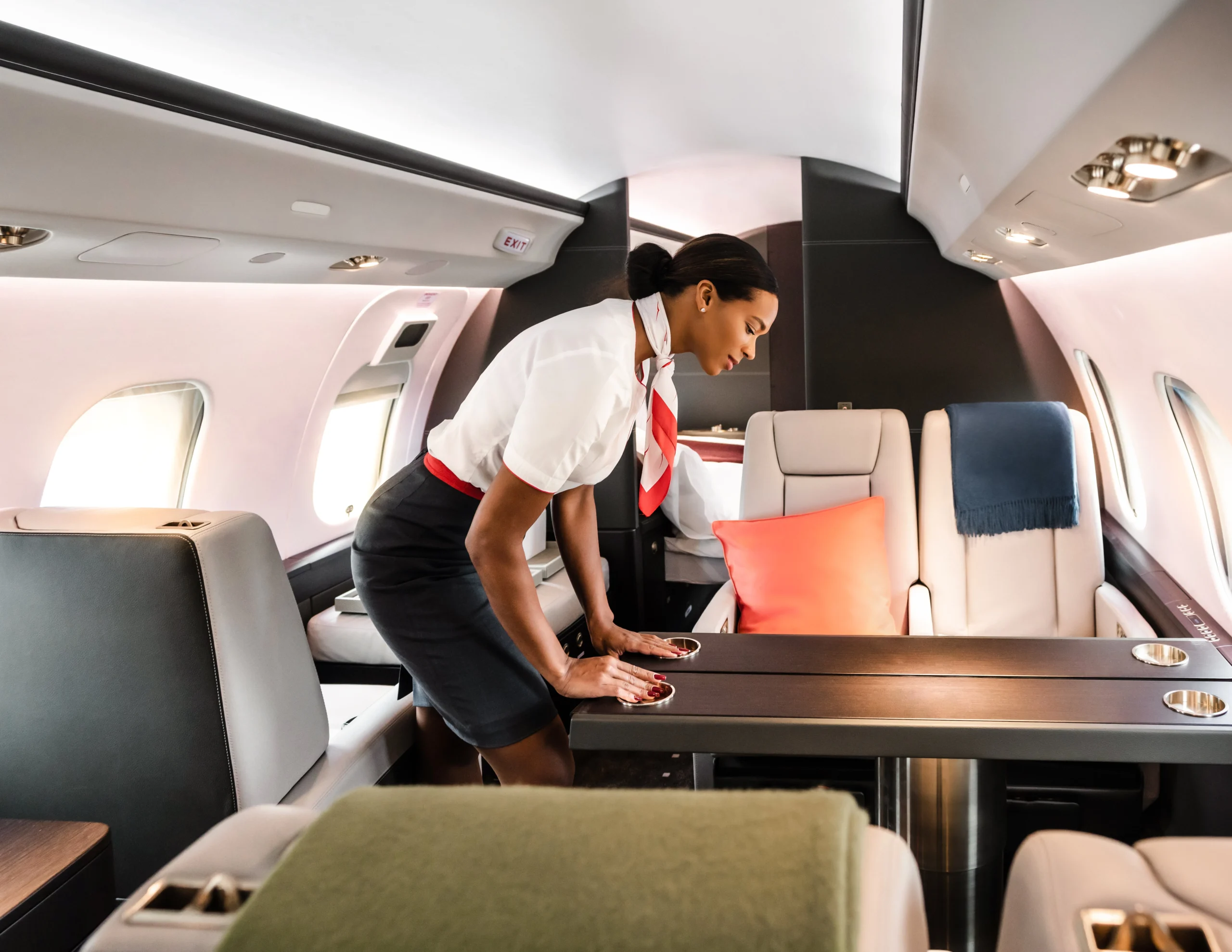
Flight attendants, when present, are there to elevate the flying experience rather than meet regulatory requirements.
Charter operators like VistaJet and NetJets may staff attendants on certain larger aircraft, but their focus is on hospitality rather than safety. These attendants undergo extensive training in fine dining service, customer preferences, and luxury protocols.
Jet owners who hire attendants privately have even more flexibility. Requirements vary, sometimes not even needing prior aviation experience. The upside? Compensation can be substantial. In 2023, Netflix advertised a primary flight attendant role with a salary of $385,000, reported Simple Flying.
Where Crew Members Rest
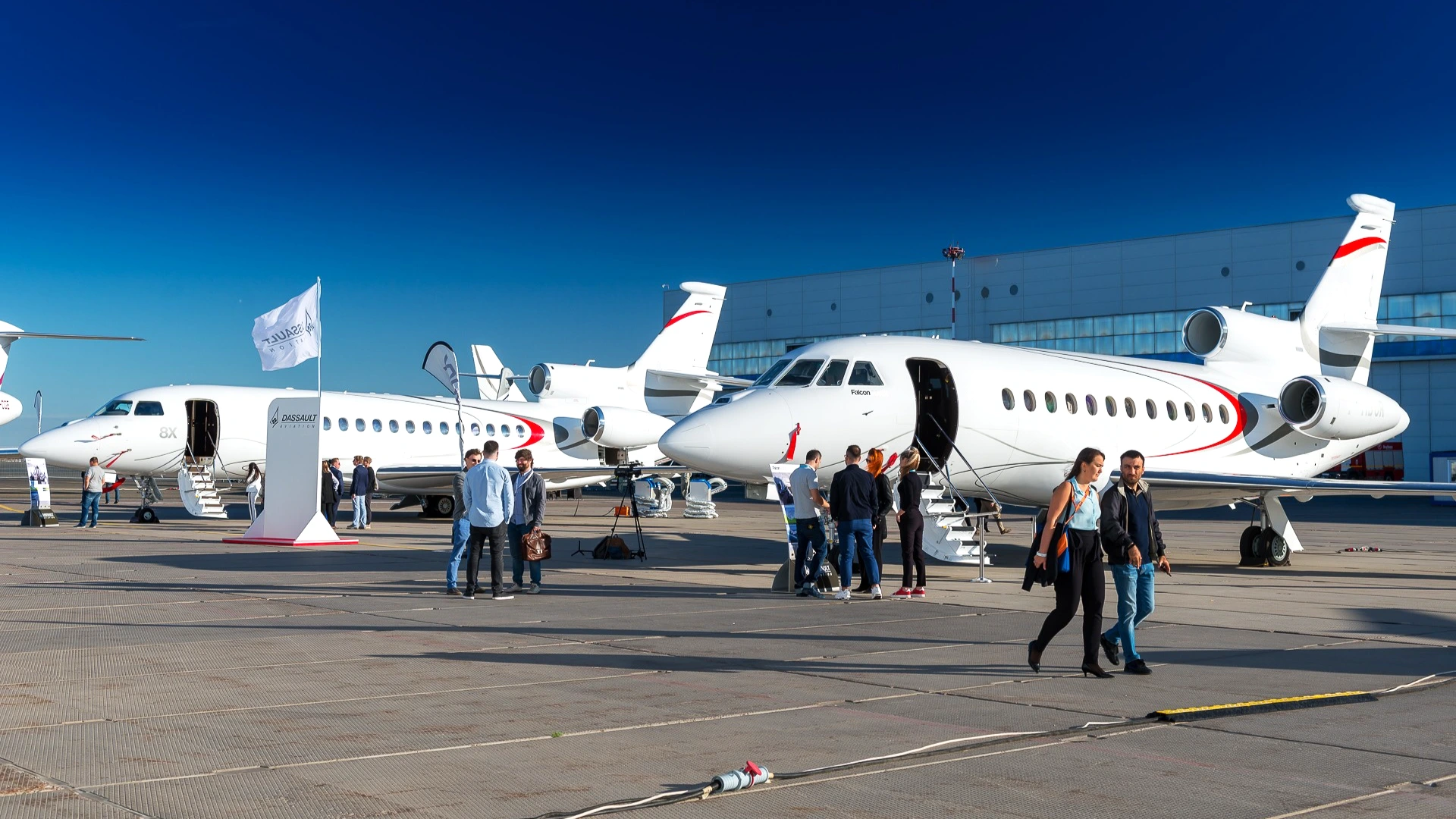
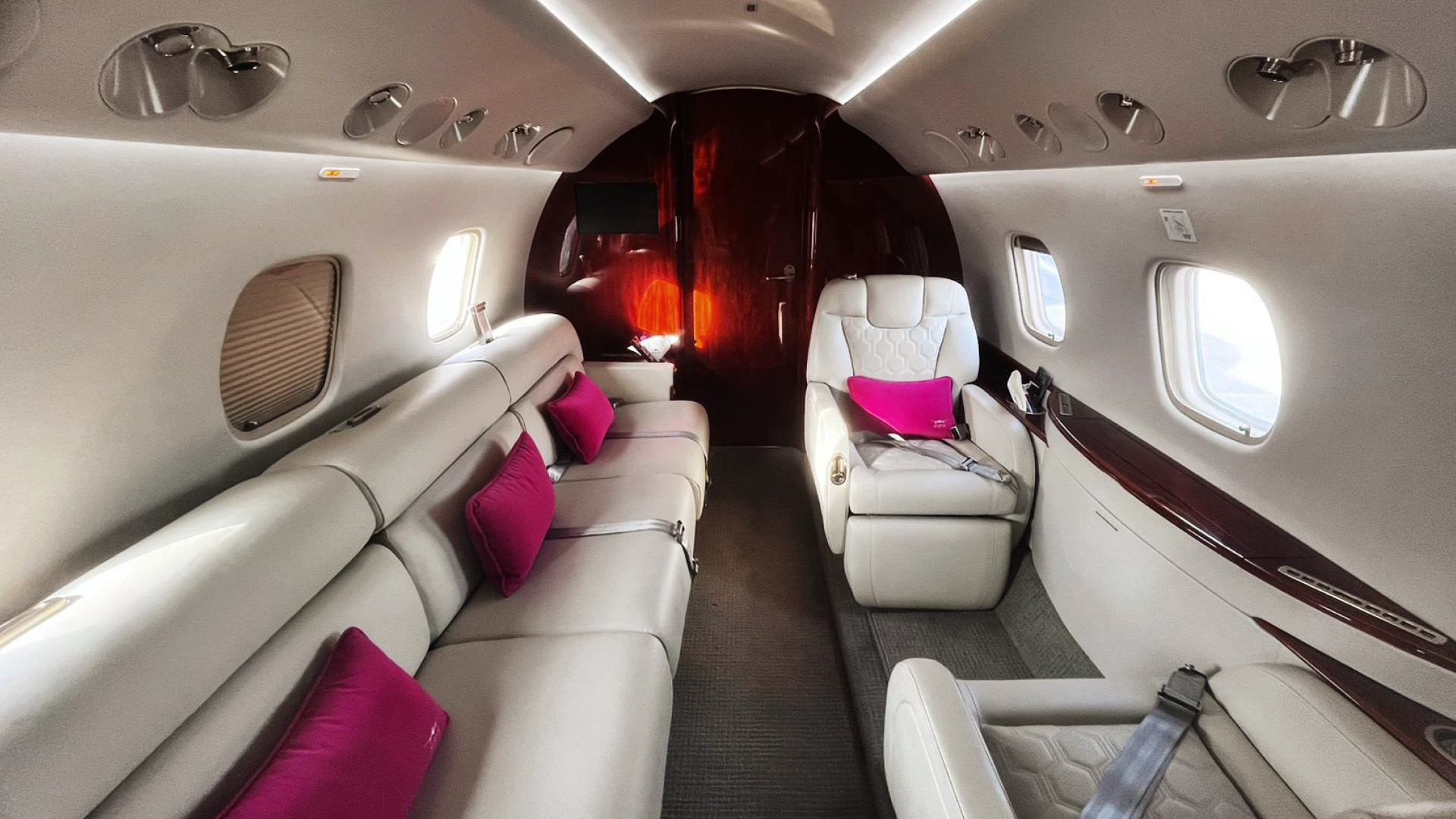
Because flight attendants aren’t mandatory, business jet manufacturers rarely build dedicated rest facilities for them. If an operator does provide rest space, it usually mirrors the layout for pilots: a recliner or bunk bed near the front of the cabin.
Otherwise, attendants rest in regular seats or jumpseats. This contrasts sharply with commercial jets, where larger planes have built-in crew modules or blocked cabin seats to ensure uninterrupted sleep.
Pilots on private jets enjoy slightly more structured rest options, particularly on long-range aircraft.
While most flights require two pilots, additional crew may be added for journeys over eight or ten hours, with four pilots sometimes needed for the longest trips.
These pilots can access small, private rest areas that may include reclining seats or bunk beds, often tucked near the galley and separated from passengers by curtains or doors.
It’s less luxurious than the opulent cabins passengers enjoy, but it ensures alertness and compliance with duty regulations.
Which Jets Come With Crew Rest Facilities
Not every private jet is designed for long-haul travel, and many short-range jets don’t require augmented crews.
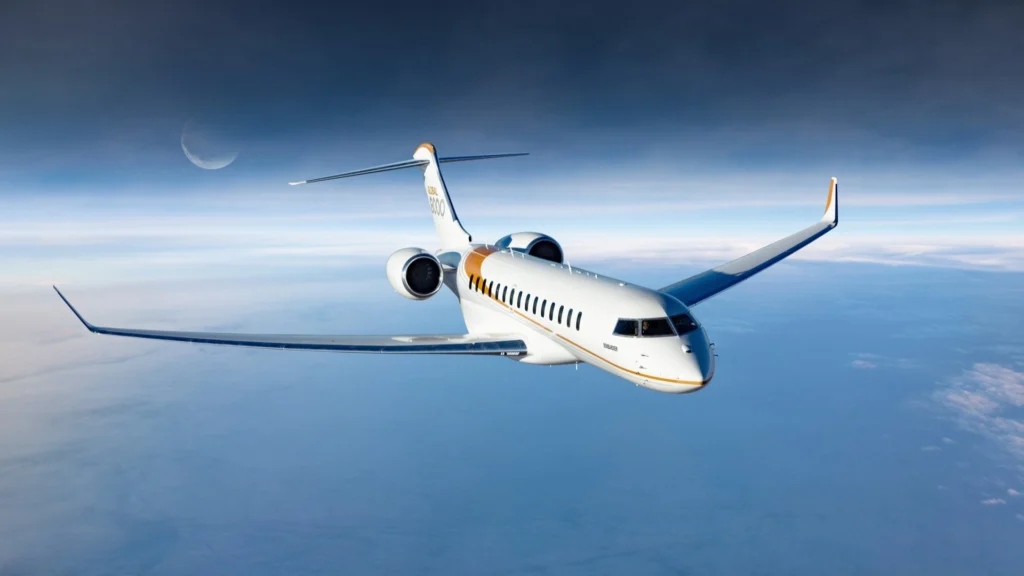
Large-cabin, long-range jets—such as the Bombardier Global 5000/6000/7500/8000 series, Gulfstream G600/G650ER/G700, and Dassault Falcon 7X/8X—can fly intercontinental routes, making crew rest facilities a necessity.
These areas are typically compact, located in the cabin, and designed for comfort and privacy.
Even executive versions of commercial aircraft, like the Airbus ACJ series or Boeing BBJ, offer similar facilities.
The difference is subtle: in a private jet, the rest area is part of the passenger environment, whereas on a commercial widebody, crew rest areas are tucked in the cargo hold or the “crown” above the cabin.
Life Behind the Luxury
Working as a flight attendant or pilot in private aviation is demanding but comes with unique perks. Schedules are unpredictable, responsibilities broader—including cleaning and luggage handling—and hours long.
Yet the role offers frequent travel, exposure to global destinations, and in some cases, compensation far exceeding airline standards. Pilots and attendants become part of an exclusive world where performance, discretion, and flexibility are paramount.
The contrast between commercial and private aviation is stark. On a United or Emirates flight, the crew’s presence is a legal obligation, and their rest is a structured, regulated requirement.
On a private jet, it’s about operational necessity and bespoke service. Crew rest may be minimal, schedules unpredictable, but the experience is unmistakably elite, reflecting the intersection of aviation, luxury, and freedom above the clouds.
Bottom Line
Crew rest on private jets is a world apart from commercial aviation. Regulations are far less rigid, flight attendants are often optional, and rest facilities are limited to what operators choose to provide.
Pilots and attendants alike navigate unpredictable schedules, balancing operational needs with comfort and safety.
For passengers, the difference is invisible—the cabin remains luxurious and seamless—but behind the scenes, crew rest reflects the unique blend of flexibility, prestige, and responsibility that defines private aviation.
Whether it’s a short hop or a transcontinental journey, the focus is on efficiency, discretion, and delivering an unmatched in-flight experience.
Stay tuned with us. Further, follow us on social media for the latest updates.
Join us on Telegram Group for the Latest Aviation Updates. Subsequently, follow us on Google News


