In this edition, we explain how the warnings about jet fuel shortages could affect emissions from air travel. But, first let’s get caught up:
So, what happened to the worst-case climate scenario? Last week, an international team of researchers published a major revision of the emissions scenarios used to study global warming. Here’s why the worst-case scenario got revised down.
The U.S. seeks to give weapons-grade plutonium to start-ups for fuel: The Trump administration is moving forward with a plan to provide plutonium from dismantled nuclear warheads to companies that want to convert the dangerous material into fuel for nuclear power plants.
It would be the first time the U.S. government has made weapons-grade plutonium available to private companies. The plan has generated debate and some unease among nonproliferation experts, Brad Plumer reports.
Twenty years after “An Inconvenient Truth,” Al Gore is still giving a climate slide show: The Oscar-winning documentary was built around Gore’s grim presentation on the effects of climate change. Chico Harlan reports that Gore still gives the road show on climate change, but the tone and details have changed to suit the times.
When will emissions from air travel start to fall?

Some of the most dire early predictions about the effects of the Iran war warned of severe disruptions to the global aviation industry. Experts feared a prolonged conflict would lead to jet fuel shortages, summer flight cancellations and soaring ticket prices.
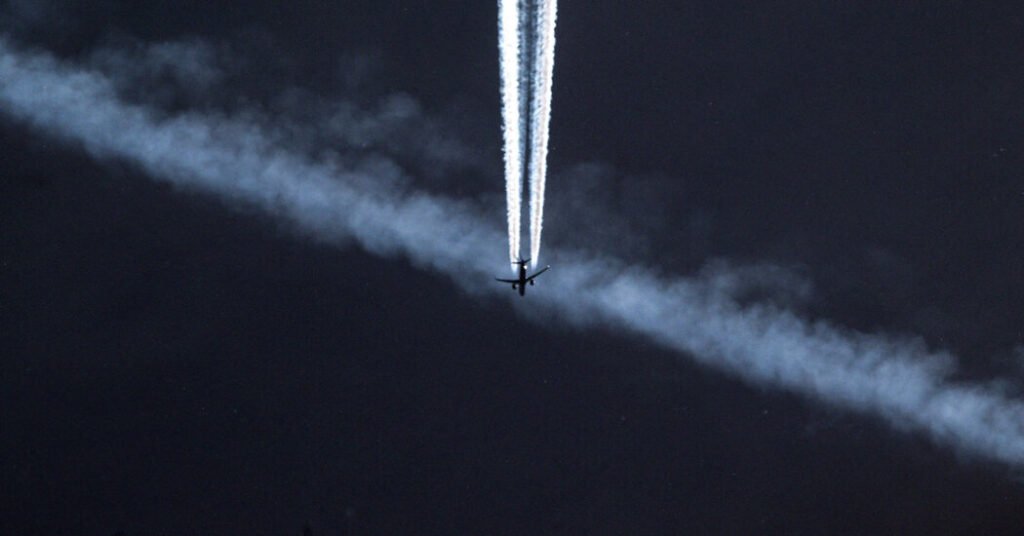
The closure of the Strait of Hormuz, a key channel for oil and gas, has pushed some to wonder whether the conflict will have any effect on overall greenhouse emissions from air travel, which makes up about 2.5 percent of global carbon dioxide emissions. Scarce jet fuel could mean fewer flights or bigger investments in lower-carbon alternatives, like sustainable aviation fuel.


